If you’ve noticed dry winter air leaving your skin irritated or dust settling on your furniture even though regular cleaning, you’re not alone. Many homeowners struggle to maintain both clean and humid indoor air, two separate comfort problems that often felt like they required two separate appliances. But the rise of air purifier and humidifier combo units is changing that calculus. A 2 in 1 humidifier and air purifier tackles both issues simultaneously, saving floor space and simplifying your home’s air management. Whether you’re battling allergies, dry skin, or just want better overall air quality, understanding how these combination systems work and why they’re worth considering is the first step toward breathing easier at home.
Table of Contents
ToggleKey Takeaways
- An air purifier and humidifier combo unit solves two air quality problems simultaneously—removing contaminants while adding moisture—saving both floor space and money compared to buying separate appliances.
- A combo unit typically costs $200–$400, significantly less than purchasing a standalone air purifier ($150–$500) and humidifier ($100–$300) separately, plus you manage only one filter replacement schedule and warranty.
- When choosing an air purifier and humidifier combo, match the coverage area to your room size (typically 200–500 square feet) and prioritize HEPA certification, which captures 99.97% of particles 0.3 microns or larger for optimal performance.
- Proper maintenance extends your combo unit’s lifespan: use distilled water weekly, vacuum intake grilles monthly, and replace HEPA filters every 6–12 months and humidifier filters every 30–60 days to prevent mineral buildup and clogging.
- Ideal placement is on a stable, level surface away from walls, electronics, and furniture to ensure proper air circulation and prevent moisture damage to nearby items.
- Combo units provide immediate relief for allergy sufferers, those with dry winter skin, and anyone struggling with poor sleep quality caused by air quality and humidity issues.
Understanding Air Purifiers and Humidifiers: What They Do Differently
Before jumping into combos, it helps to understand what each appliance actually does. An air purifier removes particulates and contaminants from the air using filters (usually HEPA or activated carbon) that trap dust, pollen, pet dander, and sometimes odors. It pulls air through the device and returns it cleaner, ideal for allergy sufferers and those in dusty environments.
A humidifier, on the other hand, adds moisture to dry air. Whether using a warm or cool mist system, it increases relative humidity in a room to more comfortable levels (ideally 30–50%). This helps with chapped skin, static electricity, and respiratory comfort during heating seasons.
Where they differ: an air purifier cleans what’s already there, while a humidifier changes the moisture content. A combo air purifier with humidifier function combines both mechanisms into one unit. Instead of running two machines, you get filtration and moisture control from a single appliance. The trade-off is that combo units may not perform quite as powerfully in each function as dedicated units, but for most households, the convenience and space savings outweigh that minor compromise.
Benefits of Combining Air Purification and Humidity Control in Your Home
Health and Comfort Advantages
The first real win with an air purifier and humidifier combo for home use is addressing multiple comfort issues at once. During winter when furnaces run constantly, indoor air becomes dry, relative humidity can drop to 20% or lower. Dry air irritates airways, worsens coughs, and can aggravate asthma. Simultaneously, dust and particulates linger in that dry air. A combo unit raises humidity while filtering out allergens, tackling both problems. People with seasonal allergies, asthma, or just sensitive skin notice the difference quickly.
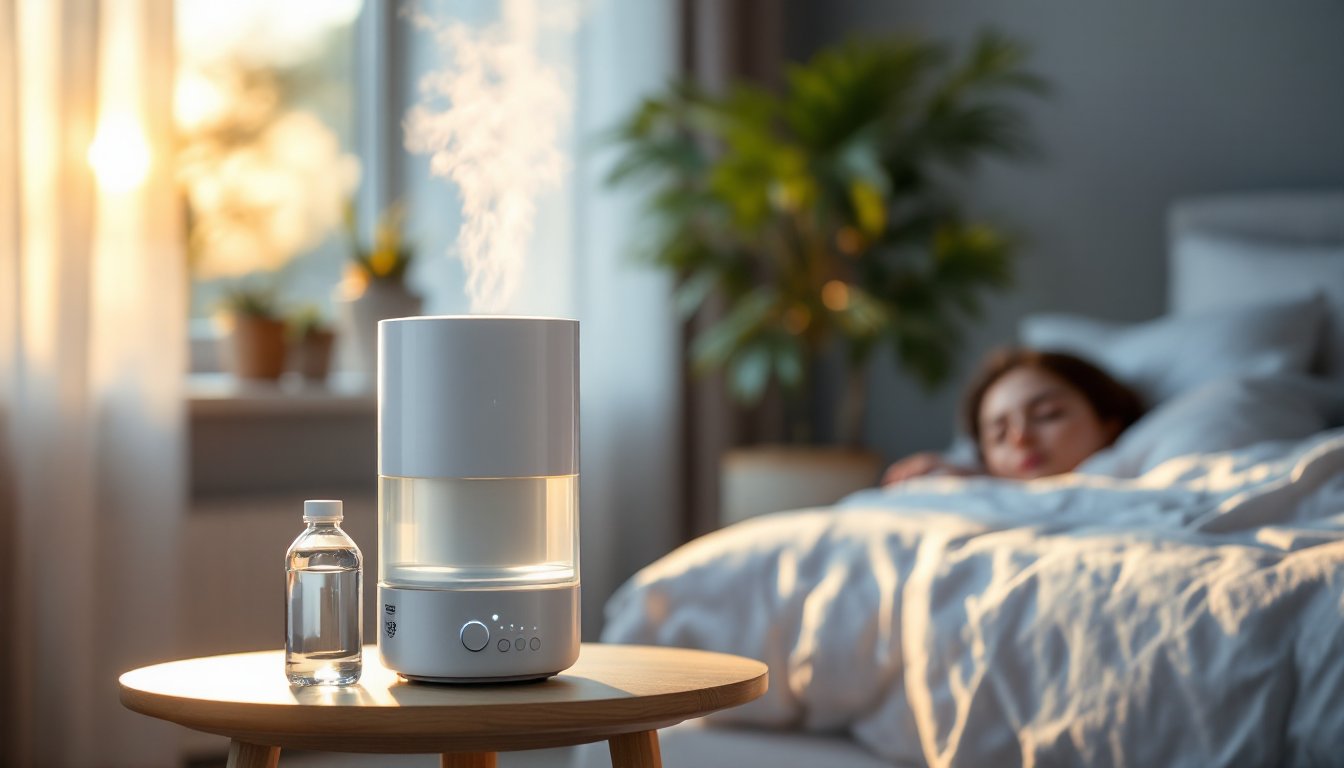
There’s also the sleep angle. Poor air quality and dry air both disrupt rest. A large room humidifier and air purifier running overnight creates conditions more favorable to uninterrupted sleep, less coughing, better moisture in your airways, and fewer dust particles settling on bedding.
Cost and Space Savings
Let’s talk practicality. A quality standalone humidifier runs $100–$300, and a decent air purifier runs $150–$500 or more. An air purifier and humidifier combo typically costs $200–$400, so you’re paying less than buying both separately while reclaiming a corner of your bedroom or living room.
Maintenance also simplifies. You’re cleaning one unit, replacing one set of filters (a HEPA filter for the purifier side, a wick or filter for the humidifier side), and managing one power cord. For renters and homeowners with limited square footage, this matters. You also get a single warranty to manage rather than juggling two service agreements. The trade-off, needing one larger unit versus two smaller ones, feels negligible for most people with standard bedroom or living room layouts.
Choosing the Right Unit for Your Home Size and Needs
Not all combo units are created equal, so matching the right one to your space is essential. Coverage area is the primary specification. Combo units are typically rated for rooms ranging from 200 to 500 square feet: some claim whole-house capability but are better suited to open-concept layouts. A bedroom combo works in a 12×14 space but may struggle if you expect it to purify and humidify a sprawling master suite.
Next, consider humidifier capacity and runtime. A tank holding 1–2 gallons runs 12–24 hours before needing a refill, which is fine if you’re home to monitor it. Some larger units include whole house humidifier and air purifier integration with your HVAC system (a professional install), while portable combos work independently. For DIY homeowners, a portable unit avoids structural work and permits.
Filtering performance matters too. Look for HEPA filter certification, this means the filter captures 99.97% of particles 0.3 microns or larger. Many top-performing combo units meet rigorous lab standards, so reading reviews from testing organizations helps. For mold concerns or odor sensitivity, activated carbon filtration adds value.
Noise is often overlooked. Combo units running 24/7 in a bedroom can be annoying if they exceed 40–45 decibels. Check specs and user reviews for nighttime quiet modes. Finally, if you have pets or kids, look for units with tip-over protection and no exposed moving parts. Smart features like app controls or humidity sensors are nice but add cost, focus first on core performance and reliability.
Installation and Maintenance Tips for Combo Systems
Installation for a portable air purifier and humidifier combo is straightforward, no tools or permits needed. Place the unit on a level, hard surface away from walls: pulling air from the center of a room works better than pushing air into a corner. Plug it in, fill the humidifier tank with distilled water (tap water leaves mineral deposits on the filter), and turn it on.
Safety first: Make sure the unit sits on a stable surface where it won’t tip if a child or pet bumps it. Keep it 3–5 feet away from electronics and wood furniture, excess humidity can damage them over time. Don’t place it directly under vents or in high-traffic areas where it’ll struggle to draw air evenly.
Maintenance is where combo units earn their keep. The HEPA filter typically lasts 6–12 months depending on use and air quality: the humidifier’s wick or evaporative filter may need replacement every 30–60 days. Here’s the routine:
- Weekly: Empty and refill the humidifier tank with fresh distilled water. Wipe the water level gauge clean.
- Monthly: Vacuum the intake grilles and pre-filter if the unit has one. This prevents dust from clogging the HEPA stage.
- Every 6–12 months: Replace the HEPA filter according to manufacturer recommendations or sooner if it looks visibly clogged.
- As needed: Replace the humidifier filter when water output drops or mist smells stale.
Don’t skip distilled water. Mineral buildup from tap water clogs both filters and reduces efficiency. A gallon costs $1–$2 and extends filter life significantly. For in-depth buying guidance and performance comparisons, many home tech reviewers provide hands-on maintenance notes worth reading before purchase. Store replacement filters in a dry place: opening them exposes them to dust and shortens their effective life.
Conclusion
An air purifier and humidifier combo solves two common home comfort problems without doubling your equipment clutter. For most homeowners, especially those dealing with allergies, dry winters, or just limited space, the 2-in-1 approach delivers real value. Take time to match coverage area and features to your needs, follow maintenance schedules with distilled water and timely filter changes, and you’ll get years of cleaner, more comfortable air. Start with one bedroom or living space, and you’ll quickly see why so many homes are making the switch to combined systems.