Remodeling a bathroom in Sunnyvale is more than just cosmetic updates, it’s an investment that boosts your home’s value and daily comfort. Whether you’re dealing with outdated fixtures, inefficient layouts, or simply want a modern refresh, a bathroom remodel requires careful planning, realistic budgeting, and knowing when to call professionals. This guide walks you through the essentials: from setting timelines and understanding local permits to choosing design trends and deciding what you can tackle yourself. If you’re ready to transform your Sunnyvale bathroom into a functional, attractive space, read on.
Table of Contents
ToggleKey Takeaways
- A bathroom remodel in Sunnyvale typically costs $8,000 to $30,000 depending on scope, with timelines ranging from 2–3 weeks for cosmetic updates to 8–12 weeks for full renovations including permits.
- Sunnyvale requires permits for electrical, plumbing, or structural work ($300–$800, 1–2 weeks approval), and skipping permits risks fines, insurance denials, and resale complications.
- Modern bathroom design trends favor neutral palettes, oversized tiles, curbless showers, floating vanities, and layered lighting with proper ventilation to prevent mold.
- Moving plumbing rough-ins adds $2,000–$5,000 and complicates timelines, so maintain your current layout if it functions well and save those costs for other upgrades.
- Safe DIY tasks include painting, installing fixtures, and demo work, while electrical, plumbing, and permit-required work must be handled by licensed professionals to meet building codes and avoid hazards.
- Finding the right contractor means verifying California licenses, checking liability and workers’ compensation insurance, and getting written estimates from at least three local Sunnyvale contractors before committing.
Planning Your Sunnyvale Bathroom Remodel
Setting Your Budget and Timeline
Before you pull out a single tile, decide what you’re actually willing to spend. A bathroom remodel in Sunnyvale typically ranges from $8,000 to $30,000 depending on scope, cosmetic updates land on the lower end, while full gut renovations with structural changes push toward the higher range. Material costs fluctuate seasonally and by regional availability, so get quotes from at least three contractors before committing.
Timeline matters too. A cosmetic refresh (new paint, fixtures, vanity) takes 2–3 weeks. A moderate remodel (new shower, flooring, lighting) runs 4–6 weeks. A full remodel with plumbing and electrical work can stretch 8–12 weeks, especially if permits slow things down. Be realistic: rushing leads to mistakes, and permits aren’t optional for structural or utility work.
Create a written scope: What’s staying? What’s being replaced? Are walls being moved? Is plumbing being relocated? Document this before talking to contractors. It prevents scope creep and keeps costs predictable.
Finding Local Contractors and Permits
Sunnyvale requires permits for bathroom work involving electrical, plumbing, or structural changes. A permit typically costs $300–$800 and takes 1–2 weeks to approve. Skip it, and you face fines, insurance claim denials, and resale complications. Honest contractors will include permit costs in their bid: if they don’t mention it, ask directly.
Looking for a contractor? Check Angi for reviews, verify their license with the California Contractors State License Board, and ask for references you can actually call. Talk to at least three contractors, get written estimates, not verbal quotes. A good estimate lists materials, labor, timeline, permits, and cleanup. It should also clarify who pulls permits and handles inspections.
Also verify insurance. General liability and workers’ compensation should be current. Ask for proof before work begins. This protects you if someone gets hurt or property gets damaged.
Design Trends for Modern Bathroom Remodels
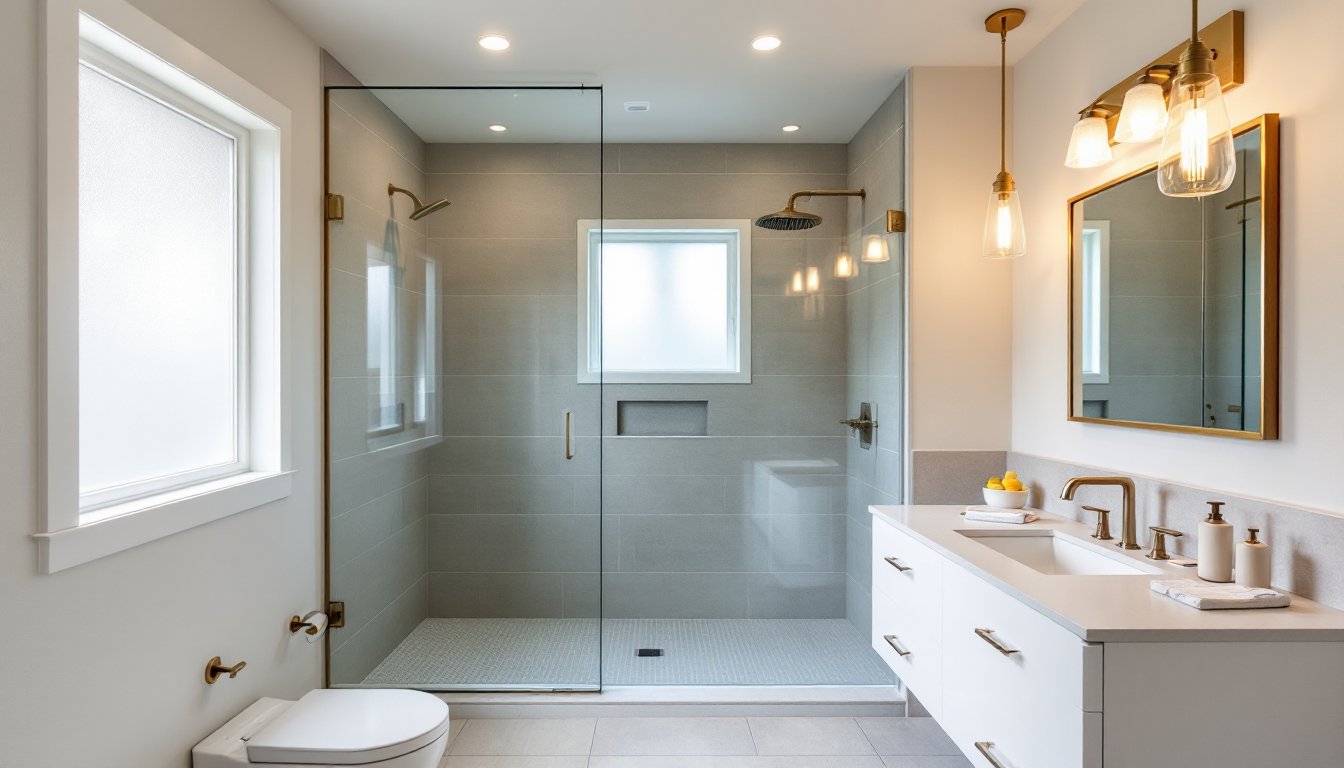
Modern bathrooms balance function with clean aesthetics. In 2026, trends lean toward neutral palettes, smart storage, and spa-like comfort. Think soft grays, whites, and warm tones instead of bold accent colors that date quickly. Oversized tiles (24″ × 24″ or larger) reduce grout lines and make small bathrooms feel bigger. Matte or brushed finishes on fixtures hide water spots and fingerprints better than polished chrome.
Walk-in showers with glass enclosures remain popular, though curbless (zero-threshold) designs are gaining traction for accessibility and easier cleaning. If you go curbless, slope the floor toward a drain, this is non-negotiable for water control. Floating vanities create visual space in smaller bathrooms and make floor cleaning easier.
For inspiration, explore Remodelista for curated design ideas and product recommendations. Lighting is often overlooked but critical: layer ambient (ceiling), task (around the mirror), and accent lighting. A dimmer switch adds flexibility. Ventilation matters too, undersized exhaust fans fail to prevent mold, so size yours for your bathroom’s square footage per building code (typically 1 CFM per square foot, or higher in humid climates).
Storage solves real problems. Recessed medicine cabinets, floating shelves, and drawer organizers keep clutter hidden. Smart mirrors with built-in LED lighting and defog function are convenient, though they cost more upfront.
Essential Updates for Your Bathroom Layout
Layout dictates whether your bathroom flows or feels cramped. If you’re not moving plumbing, you’ll save thousands, but sometimes a layout tweak is worth the cost. The classic triangle (toilet, sink, shower) should minimize steps between these fixtures.
Key considerations: toilet placement needs 15″ clearance on each side and 21″ in front per building code. The vanity should be at least 30″ wide (48″ is better). Shower sizing depends on your needs, a 36″ × 36″ corner shower is minimum, but 48″ × 60″ feels much better. If you’re adding a tub, standard dimensions are 30″ × 60″ × 20″ deep.
Plumbing rough-ins (where pipes exit walls) are set during framing. Moving them requires rerouting supply lines and waste lines, which adds $2,000–$5,000 and complicates inspection schedules. If your current layout functionally works, resist the urge to move plumbing just for a small design improvement.
Hydro-static pressure and ventilation pathways also affect layout. A exhaust duct must run to the exterior, no dumping into attics or soffit vents. This sometimes means relocating the vent or extending ductwork, which adds cost and takes planning. During the design phase, sketch the route from your bathroom to the roof or exterior wall before contractors finalize the layout.
DIY vs. Professional Services in Sunnyvale
Knowing what you can DIY and what requires a pro saves money without creating liability or code violations.
Safe DIY tasks: painting, installing simple fixtures like towel bars, replacing cabinet hardware, caulking, grouting tile (small projects), and demo work (removing old vanities, mirrors, light fixtures). Wear safety glasses, gloves, and a dust mask during demo, drywall dust and old materials can contain hazards.
Professional-only work: any electrical modifications, plumbing connections, permit-required work, gas line work, and structural changes. Electrical work in wet environments (bathrooms) has strict NEC (National Electrical Code) requirements about outlet placement, GFCI protection, and grounding. Plumbing must meet local codes for trap sizing, vent routing, and backflow prevention. DIY electrical or plumbing mistakes create fire, flood, or health hazards, and they’ll fail inspection.
Tile work sits in the gray zone. Small backsplash or accent tile is doable if you’re patient and have basic skills. Full shower walls with proper slope, waterproofing, and substrate prep are trickier: a pro ensures water doesn’t penetrate walls and rot framing.
Check Houzz’s list of Sunnyvale bathroom remodelers to find licensed professionals for what you can’t DIY. Mixing DIY and professional work is smart, you save labor on cosmetic stuff and buy expertise where it matters.
Conclusion
A Sunnyvale bathroom remodel transforms how your home functions and feels every single day. Start with a solid plan: lock in your budget, understand local permits, and honestly assess what you can do yourself versus what needs a professional. Design with durability and timelessness in mind, trends fade, but quality craftsmanship lasts. With the right contractor and realistic expectations, you’ll end up with a bathroom that adds real value and comfort to your home.