You load your dishwasher with careful precision, add detergent, and hit start, only to pull out glasses spotted with mineral deposits and plates streaked with water marks. That’s where rinse aid comes in. Unlike detergent, which cleans the dishes themselves, rinse aid is a chemical additive that reduces water surface tension and helps your dishwasher drain faster, leaving behind spotless, dry results. If you live in an area with hard water or notice your dishwasher isn’t leaving things as shiny as they should be, the best dishwasher rinse aid can be a game-changer. In this guide, we’ll walk you through what rinse aid does, how to pick the right one, and how to use it correctly to get the most out of your appliance.
Table of Contents
ToggleKey Takeaways
- The best dishwasher rinse aid reduces water surface tension to prevent mineral deposits and water marks by helping water sheet off dishes more efficiently during the final rinse cycle.
- Most store-brand and name-brand rinse aids perform identically in standard water conditions, making budget options 30–50% cheaper without sacrificing results.
- Adjusting your dishwasher’s rinse aid dispenser dial is crucial for hard water areas—starting at the middle setting and turning up one to two notches if spotting persists can eliminate water marks in 2–3 cycles.
- Rinse aid costs only $16–32 annually and works best when paired with quality detergent, making it one of the most affordable dishwasher upgrades available.
- Skip rinse aid entirely if you have a whole-home water softener, as your water is already treated and you can save $15–30 per year by eliminating this unnecessary product.
What Dishwasher Rinse Aid Does and Why You Need It
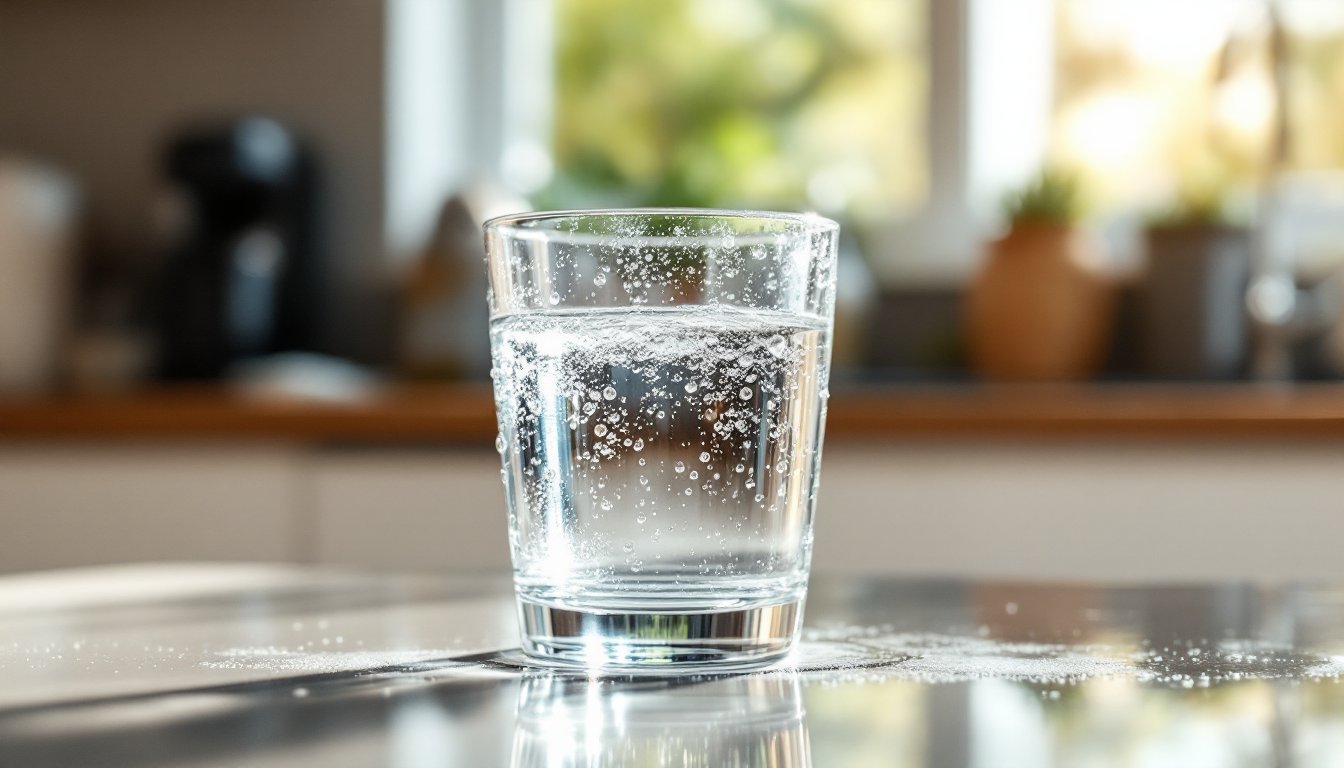
Rinse aid works by lowering the surface tension of water, allowing it to sheet off dishes more efficiently rather than beading up into droplets. Those beads are what cause mineral spots and water marks, especially in hard water areas where dissolved minerals stick around after water evaporates.
Water beads up because water molecules have natural adhesion, they like to stick together. Rinse aid breaks that bond, so water flows off smoothly during the final rinse cycle. This isn’t just about appearance: faster water drainage also means dishes dry faster and more thoroughly.
Do you need rinse aid? Technically, no. Your dishwasher will clean without it. But if you’re seeing spots, streaks, or cloudy residue on glasses and dishes, especially if you have hard water (test yours with inexpensive test strips from a hardware store), rinse aid is one of the cheapest fixes. Most rinse aids cost between $3 and $8 per bottle and last 2–3 months depending on usage and water hardness.
One common misconception: rinse aid doesn’t add shine or improve cleaning power. It simply helps water drain better. Real shine comes from clean dishes and proper drying, rinse aid just enables that.
How to Choose the Right Rinse Aid for Your Needs
The basic chemistry is the same across most rinse aids, they’re all surfactants that reduce water tension. The differences come down to cost, bottle design, concentration, and additives.
Key Factors to Consider When Shopping
Hard water level: If you have very hard water (over 200 ppm of mineral content), you may need a more concentrated formula or to refill your rinse aid dispenser more often. Standard rinse aids work fine for moderately hard water.
Bottle design: Some bottles fit certain dishwasher dispenser caps more easily than others. Check your dishwasher manual to see the recommended bottle size and opening diameter. Off-brand bottles sometimes have nozzles that don’t fit snugly, causing leaks.
Scent: Most rinse aids are unscented or lightly scented. If you prefer fragrance-free or like a specific scent (lemon, fresh, etc.), read the label or check reviews. Scent is purely preference and doesn’t affect performance.
Concentration and quantity: Some brands offer concentrated formulas that require dilution: others come ready-to-use. Ready-to-use is more convenient but often costs more per ounce. If you’re budget-conscious and don’t mind mixing, a concentrate can stretch further.
Additives: Some rinse aids include water softeners or anti-spotting agents. These don’t replace a whole-home water softener but can help in moderately hard water situations. Others include anti-streaking agents for extra shine. These are nice-to-haves, not necessities.
Budget tip: Store-brand and name-brand rinse aids perform almost identically in standard water conditions. Save the premium products for very hard water or if you prefer a specific scent.
Top Rinse Aid Products That Deliver Results
When shopping for rinse aid, you’ll find several types worth considering. The best dishwasher detergents tested in labs are often paired with quality rinse aids for optimal results.
Finish Rinse Aid is the market leader for good reason, it’s widely available, affordable ($4–6 per bottle), and works reliably in standard and hard water. The bottle fits most dispenser designs without fuss.
Jet-Dry is another solid mainstream option, similar in price and performance to Finish. Some people report slightly better anti-spotting results, though the difference is subtle in normal water conditions.
Store-brand rinse aids (from Target, Walmart, Amazon Basics, etc.) are 30–50% cheaper and perform essentially the same in soft to moderately hard water. The main trade-off is bottle design, some fit dispensers less snugly. If compatibility isn’t an issue, store brands offer the best value.
Seventh Generation Free & Clear is a plant-based alternative for those avoiding synthetic chemicals. It works fine in soft water but may require more frequent refills in hard water. Expect to pay about $1–2 more per bottle.
Cascade Rinse Aid integrates rinse technology into an all-in-one dishwasher pac. If you prefer a single product, these eliminate one step, though they cost more per use than buying separate detergent and rinse aid.
No rinse aid is dramatically better than another in average conditions. Pick one that fits your budget and bottle compatibility, then stick with it for 2–3 months before judging results.
How to Use Rinse Aid Correctly in Your Dishwasher
Rinse aid only works if your dishwasher is actually using it. Most dishwashers have a dedicated rinse aid dispenser, a small compartment separate from the detergent slots, usually located in the door.
Filling the dispenser:
- Open your dishwasher door and locate the rinse aid dispenser. Consult your manual if you’re unsure: it’s typically a small plastic cylinder with a twist-off or flip-up cap.
- Open the cap and fill until you see the liquid rise to the fill line (usually marked inside the compartment).
- Wipe any spilled rinse aid from the exterior and close the cap tightly.
- Run a cycle, the dishwasher will dispense rinse aid automatically during the final rinse.
Setting the dispenser dial (important step many people skip): Most dishwashers have an adjustable dial or setting inside the dispenser that controls how much rinse aid is released per cycle. This is critical for hard water.
- If you see spotting or streaking, turn the dial up one or two notches to release more rinse aid.
- If you see spotting and have already maxed out the dial, your rinse aid dispenser may need refilling more frequently, or you may need a more concentrated formula.
- If dishes look soapy or have a slick film, the setting is too high, dial it down.
Start at the middle setting and adjust based on results. It takes 2–3 cycles to see the effect of a change.
Maintenance: Check the dispenser every month or two. If it’s empty and you’re seeing spots again, refill promptly. A clogged nozzle on the dispenser cap can prevent proper dispensing, if the bottle is full but spots return, clean the nozzle with a toothpick.
Money-Saving Tips and Common Mistakes to Avoid
Mistake: Overfilling the dispenser. More rinse aid doesn’t mean better results. Once the dispenser is full, extra liquid just sits there. You’re wasting product and money. Fill to the line, not beyond.
Mistake: Never adjusting the dial. If you’re still seeing spots after adding rinse aid, the dispenser setting is likely too low for your water hardness. Most people fill the bottle once and never touch the dial again, that’s why they don’t see improvement. Dial adjustment is free and usually solves the problem.
Mistake: Using rinse aid with a water softener. If you have a whole-home water softener, your water is already treated, and rinse aid becomes nearly unnecessary. Try skipping it for a cycle or two: you may not need it at all. This can save $15–30 per year.
Money-saving strategy: Buy store-brand. In soft to moderately hard water, there’s no meaningful performance difference between budget and premium rinse aids. Switching to a store brand can cut your annual cost by half.
Money-saving strategy: Pair rinse aid with good detergent. Cheap or old detergent leaves residue that rinse aid can’t fix. Investing in a solid detergent (especially one tested for hard water) makes rinse aid more effective and reduces spotting overall. Check your kitchen’s home improvement resources for detergent reviews if you’re unsure.
Cost estimate: A typical bottle (16 oz) lasts 2–3 months and costs $4–8. That’s roughly $16–32 per year, one of the cheapest dishwasher upgrades you can make.
Conclusion
Spotty dishes and water marks are a sign your dishwasher needs rinse aid, not a failure of your cleaning routine. The best dishwasher rinse aid for your situation depends on your water hardness, budget, and dishwasher compatibility, but in most cases, a reliable mid-range product will do the job. Fill the dispenser, adjust the dial, and give it a few cycles to work. If you still see spots, turn the dial up or refill more often. It’s straightforward, affordable, and far cheaper than replacing a dishwasher or hand-washing everything. For more comprehensive home improvement how-tos, explore detailed guides on keeping appliances running at their best.