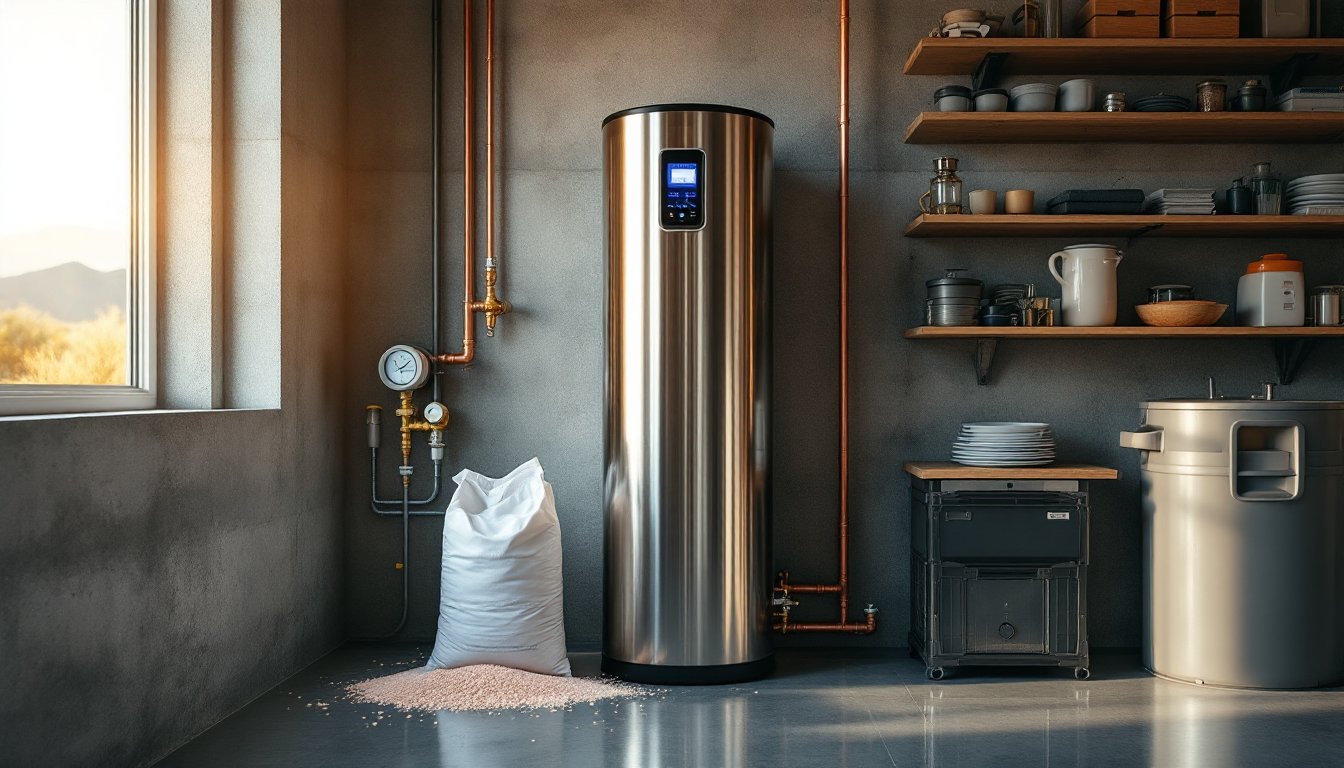
Arizona’s hard water isn’t just an inconvenience, it’s a genuine challenge for homeowners. With mineral content that can reach 300+ ppm in some areas, hard water leaves crusty buildup on fixtures, shortens appliance lifespans, and makes it harder for soap to lather. If you’ve noticed spotty dishes, stiff laundry, or that telltale white scaling on your showerhead, you’re not alone. The good news? Installing a water softener is a manageable solution that can protect your home’s plumbing and appliances while improving water quality. This guide walks you through the best options for Arizona climates and what to prioritize when choosing a system.
Table of Contents
ToggleKey Takeaways
- Arizona’s hard water averages 100–180 ppm hardness in Phoenix and can exceed 300 ppm in desert communities, making the best water softener for Arizona an essential investment to protect appliances and reduce mineral damage.
- Ion exchange water softeners remove 95%+ of hardness and are the most effective solution for Arizona’s mineral-heavy water supply, though demand-initiated regeneration models save water and salt compared to timer-based systems.
- A water softener system sized for 40,000–60,000 grain capacity suits a typical Arizona family of four, with grain capacity determining how much hardness the tank removes before requiring regeneration.
- Pentair Fleck 5600SXT and APEC Futura Series are top-rated options for Arizona homes, offering reliable demand-initiated regeneration and moderate pricing ($600–1,200 installed) without sacrificing durability.
- Proper installation requires placing the softener where the main water line enters your home, using a bypass valve for maintenance, and budgeting $200–500 in labor plus monthly salt refills (typically $8–15 per 50-pound bag).
- Regular maintenance including monthly brine tank checks, annual sediment pre-filter replacement, and professional service every 2–3 years ensures your water softener extends appliance lifespan by preventing 30–40% faster wear from mineral buildup.
Why Arizona Homeowners Need Water Softeners
Arizona’s water supply originates from Colorado River sources and local groundwater, both heavy with dissolved minerals like calcium and magnesium. These minerals create hardness, measured in parts per million (ppm) or grains per gallon (gpg). Phoenix averages around 100–180 ppm hardness, while some desert communities exceed 300 ppm, well above the USDA’s “hard water” threshold of 60 ppm.
Hard water damage accumulates fast. Mineral deposits clog aerators and reduce water pressure within months. Appliances like water heaters, dishwashers, and washing machines work harder and wear out 30–40% faster when mineral buildup lines their interiors. Soap and shampoo don’t suds properly, leaving residue on skin and hair. Plus, Arizona’s low humidity and intense sun mean mineral stains on exterior tile and pool equipment are highly visible.
A water softener removes calcium and magnesium ions before they cause problems, extending appliance life and reducing cleaning frustration. For most Arizona homes, it’s not a luxury, it’s preventive maintenance.
Types of Water Softening Systems to Consider
Ion Exchange Softeners
Ion exchange is the industry standard and most effective hard water solution. These systems swap calcium and magnesium ions for sodium or potassium, dramatically reducing hardness. A resin bed inside the tank captures minerals: when saturated, a brine (salt or potassium chloride) solution regenerates the resin, flushing out minerals down the drain.
Pros: Removes 95%+ of hardness, lowers water pH naturally, requires minimal space (often a basement corner), and handles high-volume households well. Tank sizes range from compact 24-inch-diameter units for small homes to 48-inch drums for families of six or more.
Cons: Requires regular salt or potassium replenishment (typically monthly in Arizona’s hard water), adds sodium to tap water (a concern for sodium-restricted diets), and produces discharge brine that some municipalities regulate. Regeneration cycles can waste 20–25 gallons of water, though newer demand-controlled models minimize waste.
Salt-Free Alternatives
Salt-free systems like template-assisted crystallization (TAC) and catalytic carbon filters don’t remove minerals, they condition them so they don’t stick to surfaces. Water quality testing may still show hardness, but mineral buildup on fixtures decreases.
Pros: No salt to buy, no sodium in drinking water, lower water waste, and minimal maintenance. Great for homes on wells or in municipalities discouraging brine discharge.
Cons: Less effective than ion exchange (typically reduce scale by 40–60%), don’t actually soften water chemically, and don’t solve soap-lathering issues. Best suited for light-to-moderate hardness or as supplementary systems. Homeadvisor cost guides often show salt-free systems priced 20–30% lower upfront, though they require more frequent cartridge replacements.
Key Features to Prioritize for Arizona Climates
Water Hardness Rating: Know your home’s hardness level before buying. Contact your local water utility for a free test, or use an inexpensive test kit from a hardware store (they cost $10–20 and measure gpg or ppm). Most Arizona homes fall into the 80–150 gpg range: choose a system rated to handle at least 20% above your measured hardness to ensure effective regeneration.
Grain Capacity: This measures how much hardness a tank can remove before regenerating. A typical family of four in Phoenix should consider a system with 40,000–60,000 grain capacity: larger households or extremely hard water may need 80,000+ grains. Undersizing means frequent regeneration cycles, wasting salt and water.
Regeneration Control: Demand-initiated models regenerate only when mineral capacity is depleted, saving water and salt compared to timer-based systems that cycle on a fixed schedule. For Arizona’s high water use and heat, demand control is worth the $200–400 premium.
Salt and Potassium Efficiency: Some systems use potassium chloride instead of sodium chloride (table salt). Potassium costs roughly 50% more but doesn’t add sodium to water and produces less brine discharge. Arizona homeowners with dietary sodium restrictions or eco-conscious goals often prefer potassium.
Heat Tolerance: Arizona heat can stress seals and resin lifespan. Look for systems with UV-protected tanks and quality warranties. Underground installations or basement placement reduces heat exposure: above-ground garage units may need shade cloth in summer.
Top-Rated Water Softeners for Arizona Homes
Pentair Fleck 5600SXT: A workhorse ion exchange unit with reliable demand-initiated regeneration and 40,000–80,000 grain options. Handles moderate to hard Arizona water well, regenerates based on actual usage, and costs $800–1,200 installed. Warranty covers 10 years on the tank and 5 years on electronics.
APEC Futura Series: A mid-range alternative with solid performance and a 48,000-grain capacity suited for families of 4–5. Priced around $600–900 uninstalled, it’s budget-friendly without sacrificing durability. Features a digital metered valve and compact design.
Culligan Smart High Efficiency: A newer option with app-based monitoring and salt-saving regeneration logic. Grain capacities start at 40,000 and scale up: installation runs $1,200–1,600. Useful for homeowners who want leak alerts and usage tracking.
Aqua FX Natura Salt-Free System: Best for light hardness or eco-minded homeowners. Uses TAC media and requires minimal maintenance, no salt, simple cartridge swaps annually. Priced at $400–700, it’s a lower-cost entry if you’re unsure about full softening. Note: effectiveness depends on hardness level: test your water first.
Prices vary by region and installer. Angi’s contractor network offers reviews and quotes from licensed installers in your area: water softener installation typically runs $200–500 in labor depending on complexity.
Installation and Maintenance Tips
Placement: Install the softener where the main water line enters your home, after the meter but before branch lines split to kitchen, bathrooms, and appliances. Most units fit in a utility room, basement, or garage. Ensure the location has a floor drain or route the regeneration discharge safely away from landscaping (brine can damage plants due to salt content).
Plumbing Setup: You’ll need to cut into the main water line and install a bypass valve so you can service the unit without shutting off household water. Many systems come with quick-disconnect fittings: have a licensed plumber handle this if you’re not experienced, mistakes can cause leaks and water waste.
Electrical: Ion exchange units require a standard 110V outlet for the timer or control valve. Ensure it’s within a few feet of the unit and protected from standing water.
Salt or Potassium: Buy 50-pound bags at big-box retailers (typically $8–15 per bag). Food-grade or water softener grade are interchangeable: avoid rock salt (contaminants damage the resin). Fill the brine tank monthly in Arizona’s hard water, you may need one bag per month depending on system size and household water use.
Maintenance Checklist: Check the brine tank monthly and top off as needed. Run the regeneration cycle manually after installation to ensure proper function. Replace the sediment pre-filter every 6–12 months (gritty Arizona groundwater clogs filters faster). Have a licensed technician service the unit every 2–3 years for resin inspection and component checks.
Warranty & Service: Keep receipts for parts and service. Most brands offer 5–10 year warranties: some cover parts only, others include labor. Local water companies sometimes offer rebates for installing efficient systems, check with your utility first.
Sunset magazine’s guide to western home design occasionally covers regional water-conservation strategies, including softener selection for desert climates, if you want deeper reading on regional considerations.