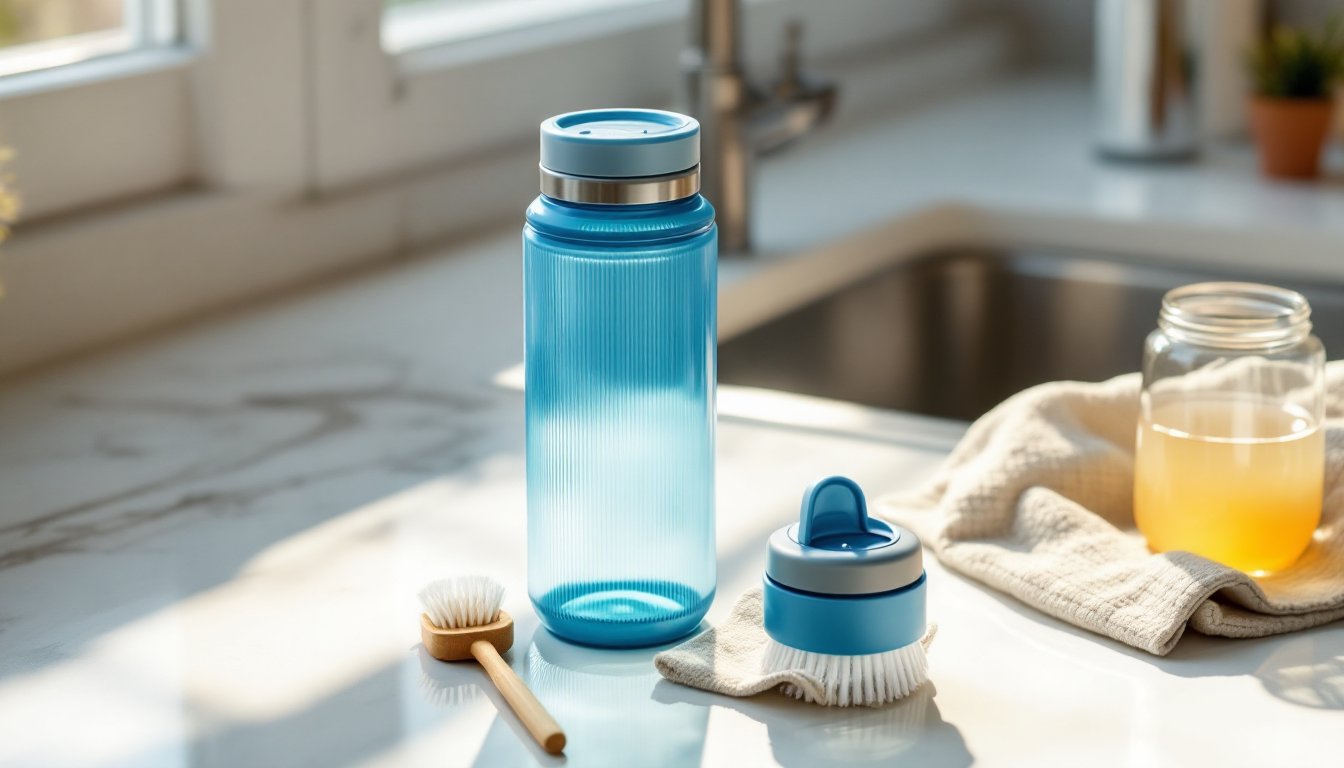
If you’ve recently jumped on the HydroJug trend or you’re thinking about it, the dishwasher question probably crossed your mind. Like most reusable water bottles, HydroJugs come with care instructions that can feel confusing at first glance. The short answer: most HydroJug models are dishwasher safe, but there’s more to the story. Understanding what components can handle the heat and how to protect your investment will keep your bottle performing well for years. Let’s walk through the specifics so you’re not guessing or risking damage to a bottle you use every day.
Table of Contents
ToggleKey Takeaways
- Most HydroJug models are dishwasher safe on the top rack, but hand-washing lids and seals extends bottle lifespan and prevents leaks.
- Repeated dishwasher heat exposure (130–160°F) degrades rubber gaskets and silicone seals that keep your HydroJug watertight, potentially voiding warranty coverage.
- Always disassemble your bottle before washing, avoid the bottom rack and heated dry cycles, and hand-wash with a soft brush to protect delicate components.
- White vinegar soaks and baking soda overnight provide effective, chemical-free solutions for stubborn stains without damaging the plastic.
- Storing your HydroJug away from direct sunlight and heat sources, combined with proper hand-washing, keeps it leak-proof and functional for years.
Hydrojug Dishwasher Safety: The Quick Answer
Most modern HydroJug bottles, particularly the larger capacity models that have become popular, are listed as dishwasher safe by the manufacturer. But, not every single component is equally heat-tolerant. The main bottle body (the plastic jug itself) can handle a standard dishwasher cycle, but the lid, seals, and any metal or silicone attachments require closer attention.
The distinction matters because the dishwasher’s heat (typically 130–160°F during the wash cycle) can degrade certain plastics and rubber compounds over time. While one cycle won’t destroy your bottle, repeated exposure to high heat cycles will shorten the lifespan of seals and gaskets, eventually leading to leaks.
If you want your HydroJug to remain leak-proof and functional for years, hand-washing is the safer option. But if the dishwasher is convenient for you, placing components on the top rack, away from the heating element, minimizes heat exposure.
Understanding Your Hydrojug Materials and Construction
HydroJugs are typically made from BPA-free plastic, usually Tritan or similar copolyester compounds. These materials are chosen because they’re durable, lightweight, and can withstand cold temperatures without cracking. The main bottle body is designed to last through daily use, drops, and temperature changes.
The challenge isn’t the plastic jug itself, it’s the supporting components. Lids, flip caps, spout sleeves, and rubber gaskets are where durability issues surface. These pieces are often made from silicone, thermoplastic rubber, or softer plastics that degrade when repeatedly exposed to dishwasher temperatures.
Plastic Components and Heat Sensitivity
The plastic used in HydroJug bottles can tolerate short-term exposure to dishwasher heat, but repeated cycles accelerate wear. Over months of regular dishwashing, you may notice the interior of the cap becoming cloudy, or the seal losing its grip. That’s not a manufacturing defect, it’s material breakdown from heat.
The rubber or silicone seals inside lids are the first to fail under repeated heat. These seals are what keep your bottle watertight. Once they start degrading, your bottle will leak even when the cap is sealed tight. Replacing just the lid or gasket is often cheaper than replacing the entire bottle, but hand-washing them prevents that replacement cycle entirely.
If your HydroJug came with a straw or infuser basket, check the manufacturer’s care instructions for those accessories separately. Some straw inserts have metal components or finer plastics that don’t belong in the dishwasher at all.
Manufacturer Recommendations and Warranty Considerations
HydroJug’s official care instructions vary slightly depending on the model year and capacity, but the general guidance is consistent: the bottle is dishwasher safe, but hand-washing the lid is recommended. Some model documentation explicitly states that repeated dishwasher use may void or limit warranty coverage for sealing components.
This is an important detail. If your lid starts leaking after months of dishwasher use, you may have a harder time getting a replacement under warranty if the manufacturer can show the lid was subjected to repeated high-heat cycles. Most warranties cover manufacturing defects, not wear from misuse, and repeated dishwashing sits in a gray zone.
When you buy a HydroJug, keep the original documentation or check the manufacturer’s website for your specific model’s care instructions. Different sizes and versions may have slightly different material compositions. A second-generation HydroJug might have more heat-resistant seals than the original, for example. Knowing what you have helps you make the right call for your bottle.
Best Hand-Washing Practices for Long-Term Durability
If you want your HydroJug to stay watertight and perform like new for years, hand-washing takes just a few extra minutes. Start by rinsing the bottle with warm water to loosen any sediment or residue. Use a bottle brush (these are inexpensive and designed specifically for this purpose) to scrub the interior walls, paying attention to the bottom where debris collects.
For the lid and cap, use warm soapy water and a soft brush or cloth. Don’t use an abrasive scrubber, it can scratch the seals. Dry all components thoroughly with a soft cloth or let them air-dry upside down on a clean towel. This prevents mold or mildew growth in the cap or seal area.
If your HydroJug has removable gaskets, take them out and wash them separately. Store them in a dry place away from direct sunlight, which can also degrade rubber compounds over time. This extra step takes 30 seconds and adds months or years to your bottle’s useful life.
For stubborn stains or odors, a solution of equal parts white vinegar and warm water left to soak for 30 minutes works well. Rinse thoroughly afterward. Baking soda sprinkled inside and left overnight is another safe method for freshening the bottle without harsh chemicals that might affect the plastic.
Common Mistakes That Damage Hydrojugs
The most frequent mistake homeowners make is tossing the entire assembled bottle into the dishwasher without disassembling it. When the lid stays on during washing, hot water and detergent get trapped around the seals, accelerating degradation. Always remove the lid, cap, and any attachments before washing anything in the dishwasher.
Another common error is placing components on the bottom rack directly above the heating element. Heat rises, and the bottom rack gets significantly hotter than the top. If you do use the dishwasher for the bottle body, keep it on the top rack and hand-wash the lid without exception.
Using the hot dry cycle is another culprit. That extra heat phase, designed to evaporate water, is exactly what accelerates plastic degradation. If you must use the dishwasher, turn off the heated dry option and let items air-dry instead.
Finally, don’t assume all water bottles have the same materials. Comparing your HydroJug care instructions to a Stanley or Owala bottle, which might have different dishwasher-safe ratings, can lead to mistakes. Stick to your specific bottle’s instructions rather than guessing based on what works for someone else’s bottle.
Storing your bottle improperly also matters. Don’t leave it in direct sunlight for extended periods, and keep it away from heat sources like radiators or windowsills. UV exposure and ambient heat can weaken plastic and seals even without active washing.
Conclusion
Your HydroJug is dishwasher safe in theory, but hand-washing, especially the lid and seals, keeps it performing reliably for years. The few extra minutes of care are worth the investment, saving you money on replacements and ensuring your bottle stays leak-proof. Treat your bottle’s seals as you would any precision component, and it’ll serve you well.