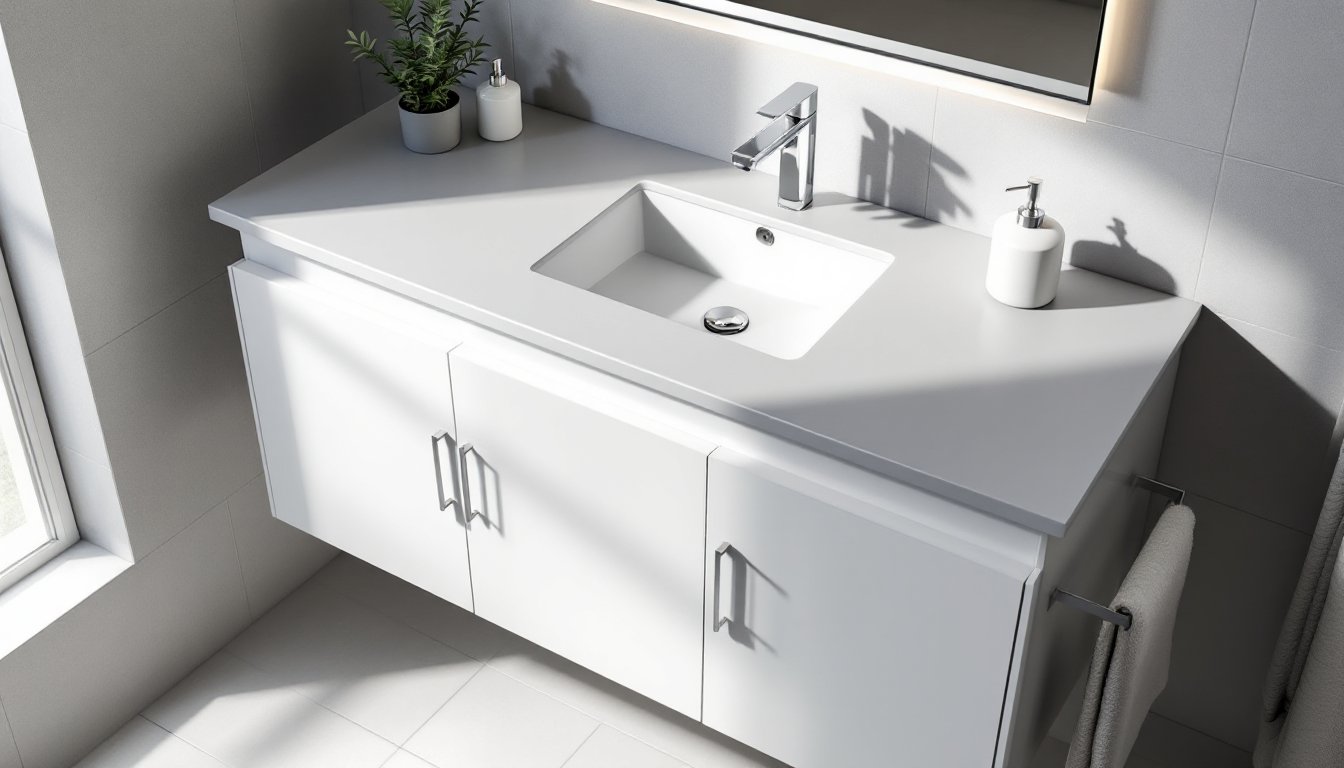
A 48-inch bathroom vanity with top is one of the most practical upgrades a homeowner can tackle, it replaces outdated fixtures, adds storage, and instantly refreshes the space. Whether you’re remodeling a master bath or updating a guest room, choosing the right vanity means balancing style, functionality, and your existing plumbing layout. This guide walks you through everything you need to know: what to look for when shopping, installation realities, and how to avoid costly mistakes that most DIYers encounter on their first attempt.
Table of Contents
ToggleKey Takeaways
- A 48 bathroom vanity with top is a pre-assembled unit that combines cabinet, countertop, and sink, offering convenience without custom cabinetry or complicated installation.
- Choose countertop materials based on your lifestyle: laminate for budget bathrooms, quartz or solid surface for high-moisture areas, and natural stone for timeless elegance and durability.
- Before purchasing, verify your existing plumbing layout by measuring the rough opening and confirming water supply lines and drain positions match the vanity’s sink placement.
- Quality indicators include solid plywood cabinet construction, full-extension drawer slides, ceramic cartridge faucet valves, and sturdy brass hardware that operates smoothly.
- Floor leveling and proper water shutoff access are critical installation steps that prevent door misalignment, leaks, and costly emergency repairs.
- Mid-range vanities ($600–$1,200) from reputable manufacturers typically offer better long-term value than budget options, so prioritize quality over initial price.
What Is a 48-Inch Bathroom Vanity With Top?
A 48-inch bathroom vanity with top is a pre-assembled or semi-assembled unit that combines a cabinet base, countertop, and sink into one product. The 48-inch measurement refers to the width of the cabinet, making it a mid-size option, larger than standard 24-inch pedestal sinks but smaller than sprawling double-sink configurations.
The cabinet itself is the core. It’s typically made from engineered wood, plywood, or solid wood and houses plumbing connections underneath. Most vanities sit 30 to 36 inches tall (measured from floor to countertop), with drawers or cabinet doors providing storage for toiletries, medications, and cleaning supplies. The integrated top can be laminate, solid surface, quartz, marble, or granite.
What makes these units popular is convenience: they arrive ready to install without requiring custom cabinetry or complicated site-built countertops. Most homeowners can handle the installation with basic tools, though connecting water supply lines and the drain properly is critical. The 48-inch width fits comfortably in most bathrooms, offering ample counter space without overwhelming the room.
Popular Styles and Materials for 48-Inch Vanities
Modern and Contemporary Designs
Modern vanities emphasize clean lines, minimalist hardware, and flat-panel cabinet doors. Handles are often recessed or integrated into the door edge to eliminate visual clutter. Countertops tend toward matte finishes in white, soft gray, or black, paired with stainless steel or chrome fixtures. These designs work well in smaller bathrooms because they don’t visually bulk up the space.
Contemporary variations include floating vanities mounted to the wall instead of sitting on legs or a base. This style opens up the floor visually and makes cleaning underneath easier, though installation requires locating and securing to wall studs or a blocking system installed during construction. You can find 48-inch floating vanities online or through local home improvement retailers that showcase modern finishes and configurations.
Traditional and Classic Options
Traditional vanities feature raised or recessed panel doors, ornamental hardware, and details like feet or a base trim. Wood stains in cherry, maple, or dark oak are common, often paired with marble or granite tops. These cabinets project sophistication and work especially well in master bathrooms or homes with period-appropriate décor.
Classic designs sometimes include single or double-sink configurations. A 48-inch vanity typically accommodates one rectangular sink, though some models offer a smaller basin on one side or split configurations. Before purchasing, verify the sink basin size and layout match your fixtures and plumbing stub-outs.
Countertop Materials and Finishes
Countertop material determines durability, maintenance demands, and cost. Laminate is the budget-friendly option, durable and water-resistant, but less heat-resistant and prone to edge chipping over time. It works fine for guest baths or rental properties.
Solid surface materials like Corian are non-porous, resist staining, and can be heat-formed for seamless edges. They’re mid-range in cost and require minimal maintenance beyond wiping down daily. Repairs to minor scratches or burns are possible by sanding the surface.
Natural stone, marble, granite, or slate, offers timeless elegance and excellent durability. Granite and slate are harder and more stain-resistant than marble, which is softer and requires periodic sealing. Natural stone runs higher in cost but ages beautifully when maintained properly. Keep acidic cleaners away from marble: use pH-neutral soaps instead.
Quartz is engineered stone (ground quartz aggregate bound with resin) that mimics the look of natural stone while offering superior stain and scratch resistance. It’s non-porous, doesn’t require sealing, and is highly durable. Quartz typically costs more than laminate but less than high-end marble or granite.
When comparing options, consider your climate and daily use patterns. High-moisture bathrooms benefit from non-porous materials like quartz or solid surface. Families with young children might prioritize durability and easy cleanup over aesthetics.
Installation Considerations and Space Planning
Before ordering, measure the rough opening where the vanity will sit. Check the wall for plumbing stub-outs (the water supply and drain lines protruding from the wall or floor). A standard vanity accommodates supply lines at 8 to 12 inches above the finished floor and a single drain line roughly in the center or offset to one side. Verify your existing plumbing matches the sink basin’s position on your chosen vanity.
Floor-to-wall dimensions matter too. Remove baseboards, check for out-of-plumb walls, and ensure the floor is level. An unlevel floor makes the vanity sit crooked and causes doors to hang unevenly. Use shims under the feet to level it properly, and double-check with a 2-foot level placed front-to-back and side-to-side.
Water shutoff access is essential, you’ll need to cut off water quickly if a leak occurs. If your shutoff valve is hidden behind the vanity, plan to relocate it or install an accessible shut-off beneath the sink before finishing the installation.
For the drain, most 48-inch vanities use a P-trap under the sink that connects to the wall or floor drain line. Confirm the trap’s position matches your existing drain stub. If it doesn’t, you may need flexible PVC or copper lines and possibly a licensed plumber to reroute without violating local plumbing codes.
Electricity matters too. Keep the vanity away from outlets and GFCI circuits if possible. If a receptacle is behind the vanity, ensure it’s accessible for maintenance, mounting it on the inside of a cabinet door is an option in some configurations. Always follow local electrical codes and consult a licensed electrician if in doubt.
Key Features to Look For When Buying
Cabinet construction quality directly affects longevity. Solid plywood and hardwood frames outlast particleboard or MDF exposed to humidity. Check the interior for signs of quality: adjustable shelves, sturdy drawer slides (full-extension slides are superior to partial), and proper backing material. Open the doors and listen, they should close smoothly without rattling or binding.
Sink material and size influence daily use. A ceramic or porcelain undermount sink is classic and durable: vitreous china is affordable and easy to clean. Vessel sinks (bowls sitting on top of the counter) are trendy but splash more and require a taller faucet. Measure your preferred sink’s basin depth and width to confirm it feels comfortable for your household’s washing and grooming routines.
The faucet included (or separately purchased) should have ceramic cartridge valves, not rubber washers that degrade quickly. A single-hole or center-set faucet is standard for most 48-inch vanities with one sink. Check water pressure ratings and aerator design, low-flow aerators save water without sacrificing usability.
Drawer and door hardware should be sturdy brass or steel, not cheap plastic. Test hinges by opening and closing doors multiple times: they should feel smooth. Knobs or pulls should be positioned comfortably, too high or low makes accessing the interior annoying.
Finally, verify warranty coverage. Most reputable manufacturers offer 1 to 5-year warranties on cabinet defects and finish quality. Read the fine print: some warranties exclude water damage or staining, which matters in a wet environment like a bathroom. Models featured on curated design platforms like those showcasing 48-inch vanities with integrated tops often have customer reviews detailing real-world durability. Cost varies widely, budget vanities run $300 to $600, mid-range options $600 to $1,200, and high-end custom or solid-wood units $1,200 and up. When sourcing materials and estimating project scope, home renovation cost guides and contractor resources provide regional pricing benchmarks. Don’t confuse price with quality: a mid-range vanity from a reputable manufacturer often outperforms a bargain option from an unknown supplier.