A musty smell in your fridge or diminished ice maker performance often points to one culprit: a clogged air filter. Frigidaire refrigerators rely on air filters to circulate clean air throughout the unit, keeping food fresher longer and ensuring your ice tastes clean. Over time, dust and debris accumulate, forcing the system to work harder. The good news? Replacing a Frigidaire air filter is one of the easiest maintenance tasks a homeowner can tackle, no special tools or professional help required. This guide walks you through finding your model’s filter, pulling it out, and installing a new one so your fridge runs efficiently again.
Table of Contents
ToggleKey Takeaways
- A clogged air filter for Frigidaire refrigerators causes musty odors and reduced ice maker performance, making regular replacement essential for optimal fridge operation.
- Frigidaire uses two filter types—mechanical mesh and activated carbon filters—with carbon filters being more effective at eliminating food odors from garlic, fish, and spoiled items.
- Locate your specific air filter by checking your model number on the fridge label, consulting the user manual, or searching online for compatible part numbers.
- The replacement process takes 5–10 minutes and involves unplugging the fridge, removing the old filter, inspecting the housing, and installing the new filter in the correct airflow direction.
- Replace your Frigidaire air filter every 4–6 months under normal conditions and check it quarterly; proper food storage and kitchen cleanliness reduce filter strain and extend its lifespan.
- Regular air filter maintenance improves energy efficiency, keeps food fresher longer, and prevents compressor wear while saving money on utility costs.
Understanding Your Frigidaire Air Filter and Why It Matters
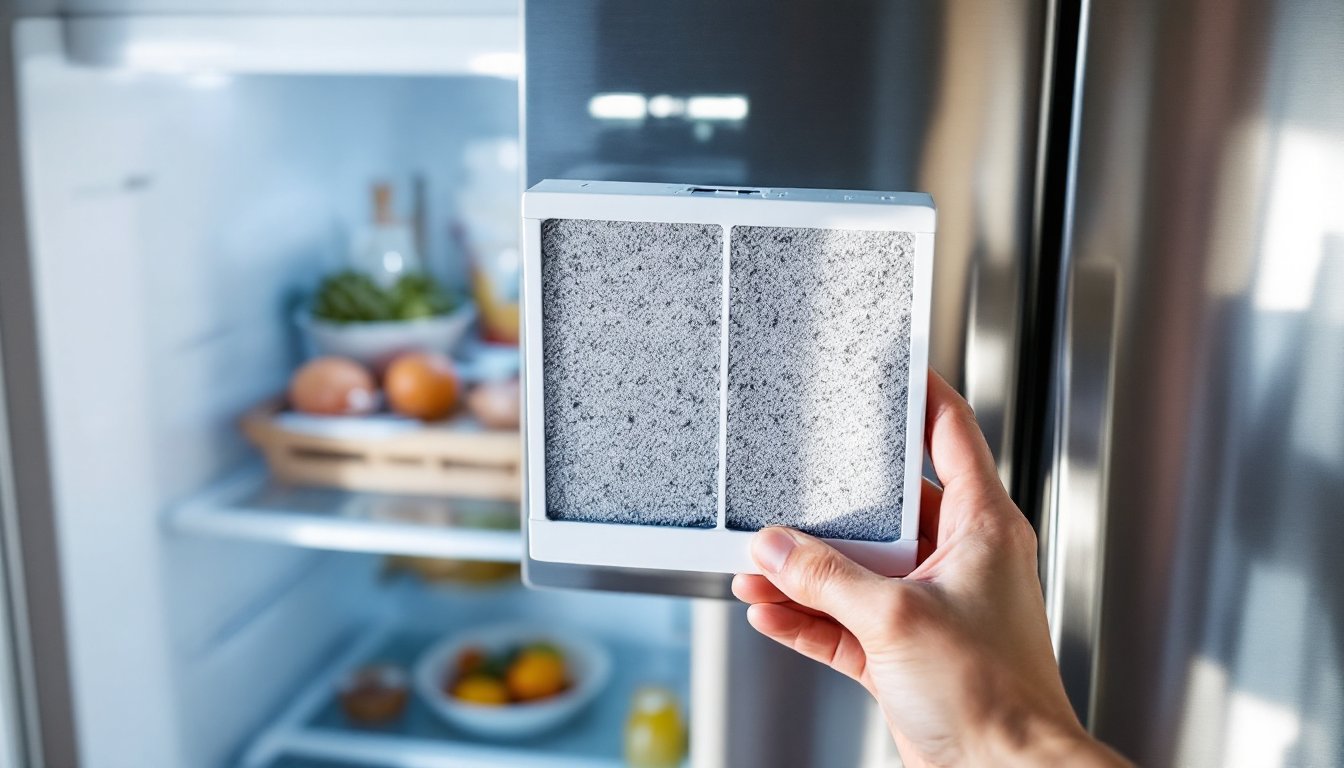
Your Frigidaire air filter serves as the lungs of your refrigerator. It pulls circulating air through a mesh or carbon-infused material, trapping dust, odors, and particles that would otherwise settle on food and ice. Over three to six months of use, filters become saturated and restrict airflow. When airflow slows, the cooling system must run longer to reach the target temperature, driving up energy costs and wearing out compressors faster.
Frigidaire filters come in two main types: mechanical filters (simple mesh that catches particles) and carbon filters (infused with activated carbon to eliminate odors). Most modern Frigidaire models use carbon filters because they’re more effective at neutralizing smells from garlic, fish, or spoiled items. Knowing which type your fridge uses ensures you buy the correct replacement and maintain optimal performance.
How to Locate Your Air Filter Model
Check Your User Manual and Refrigerator Label
Your first step is identifying which filter your specific Frigidaire model needs. Open your refrigerator door and look for a label or sticker on the side wall, back wall, or inside the crisper drawer, it usually displays the model number and serial number. Write down or photograph the model number: you’ll need it to order the correct replacement.
Next, grab your user manual if you still have it, or download one from Frigidaire’s website by entering your model number. The manual includes a diagram showing the filter’s location and part number. If you don’t have the manual, searching “Frigidaire [your model number] air filter” online brings up results from retailers showing compatible filters with their part numbers.
Common Frigidaire Filter Locations
Frigidaire places air filters in a few standard spots depending on the model generation:
- Top or rear grille: Many older and mid-range models house the filter in a housing behind the top grille. Pop off the plastic grille at the top of the fridge, and you’ll see the cartridge sitting in a slot.
- Bottom corner near the compressor: Some French-door and side-by-side models stash the filter in the lower front or rear corner. Look for a removable cartridge or filter door.
- Side wall cavity: Premium models sometimes hide the filter in a compartment on the interior side wall, accessible by removing a trim piece or sliding out a drawer.
If you can’t find it visually, consult your manual or watch a model-specific replacement video, Frigidaire’s official site and major retailers like Amazon post clear photos and videos showing exactly where to look.
Step-by-Step Replacement Guide
Before you begin, unplug your refrigerator or flip the breaker to its circuit to cut power. This is a simple safety step that protects you if you accidentally contact any electrical parts.
Step 1: Locate and access the filter housing. Use the location tips from the previous section to find your filter. If it’s behind a grille or in a compartment, gently remove the grille or open the compartment door. Most are held by friction fit or two small screws, nothing complicated.
Step 2: Note the filter orientation. Before pulling out the old filter, observe which direction it’s sitting. Some filters have an arrow pointing toward the airflow direction. A photo on your phone takes the guesswork out of reinserting the new one correctly.
Step 3: Remove the old filter. Grip the filter firmly and pull straight out or twist counterclockwise, depending on the design. You might see dirt or dust caked on the outside, that’s normal and a sign it’s doing its job. Dispose of it in the trash: filters aren’t recyclable due to their activated carbon coating.
Step 4: Inspect the housing. Before inserting the new filter, wipe out the interior of the housing with a dry cloth to remove any loose dust or debris. This ensures the new filter isn’t starting with contamination already present.
Step 5: Insert the new filter. Unwrap your new Frigidaire-brand replacement filter (or verified compatible OEM equivalent) and slide it into the housing. Align it with the guides or grooves, it should fit snugly but not require brute force. If you noted an airflow arrow during Step 2, make sure it points in the correct direction.
Step 6: Secure the housing and close any covers. If your filter screws in, twist clockwise until snug, don’t over-tighten. Reinstall any grilles or compartment doors you removed.
Step 7: Restore power and reset the filter indicator. Plug the fridge back in or flip the breaker. Many models have an air filter indicator light on the display panel. If your model has one, consult your manual to reset it, usually a simple button press or holding a button for several seconds.
The entire process takes five to ten minutes. If you’re uncomfortable with any step or encounter unexpected obstacles, Family Handyman appliance repair guides offer detailed walkthroughs for most Frigidaire models.
Maintaining Your New Air Filter for Optimal Performance
Replacing your filter is just the start. To keep your Frigidaire running smoothly and extend filter life, adopt a few simple habits.
Check the filter every three months. Pop open the housing and visually inspect it. If it looks dark gray or brown instead of white or light gray, it’s accumulating debris. Don’t wait for the indicator light to fail.
Keep your fridge clean. Wipe spills promptly, remove expired food quickly, and keep the interior organized. The less your filter has to work to remove odors and particles, the longer it lasts. The Kitchn’s kitchen organization tips help reduce spoilage and odor sources before they stress your filter.
Store food properly. Keep ethylene-producing fruits (apples, bananas, avocados) in the crisper drawer with its own humidity controls. Seal leftover containers tightly. These steps reduce the burden on your air filter significantly.
Replace on schedule. Most manufacturers recommend replacement every four to six months under normal conditions. Heavy use or a smelly kitchen might shorten that window. Good Housekeeping appliance reviews compare filter performance across brands if you’re exploring alternatives or want to verify that Frigidaire filters rank well.
Mark your calendar. Use your phone or a paper calendar to note the installation date. Set a reminder for four months later, consistency beats guesswork.
Conclusion
Replacing your Frigidaire air filter is a quick, low-cost maintenance win that pays dividends in cleaner air, fresher food, and lower energy bills. By identifying your model, locating the filter, and following the straightforward replacement steps, you’ll keep your fridge performing at its best. Regular checks and timely replacements ensure your refrigerator stays reliable and efficient for years to come.