Building a home theater is more than just hanging a projector and pointing speakers at a wall. The seating you choose can make or break the entire experience, literally. When you’re settling in for a three-hour film or binge-watching your favorite series, you’ll spend more time thinking about that uncomfortable chair than the plot itself. Theater seating isn’t a luxury: it’s the foundation of a usable home theater. The right seating transforms a room into a legitimate entertainment space where everyone actually wants to spend time, while poor choices leave your investment feeling half-finished.
Table of Contents
ToggleKey Takeaways
- Theater seating is the foundation of a home theater experience, not an afterthought—quality recliners with proper lumbar support and depth prevent discomfort during extended viewing sessions.
- Power recliners ($600–$1,500) offer superior long-term value compared to standard sofas, lasting a decade or more when engineered specifically for home theater use.
- Measure your room, plan sightlines with proper elevation between rows, and test seating in person before purchasing to ensure comfort and functionality.
- Best theater seating for home balances budget and features in the mid-range ($800–$1,500 per seat), where durability, lumbar support, and power adjustments align with reasonable pricing.
- Fixed stadium seating works for space-constrained rooms where aesthetic cinema appearance and maximum capacity outweigh recline functionality.
- Rough-in electrical outlets and power conduit during construction to avoid messy wall-mounted installations, and always verify warranty coverage on the electrical recline mechanism.
Why Theater Seating Matters for Your Home Setup
Most homeowners focus heavily on the screen and sound system, treating seating as an afterthought. That’s backwards. You can have a $5,000 projector and a mediocre experience if people can’t sit comfortably for more than 30 minutes. Theater seating affects posture, neck strain, and whether guests actually return to use your space. Good seating also holds up better over time, quality construction means fewer sagging cushions and broken recliners down the line.
Think of it this way: a sofa might cost $1,500 and last five years with heavy use before the fabric pills and the frame creaks. A dedicated theater recliner might run $800 and last a decade because it’s engineered for the specific demands of home viewing. That’s a better return on investment. Beyond durability, proper theater seating includes features specifically designed for long viewing sessions: lumbar support, armrest cup holders, headrest positioning, and enough depth so your legs aren’t dangling. These aren’t luxury add-ons: they’re ergonomic necessities.
Types of Theater Seating Options
You’ve got three basic categories to choose from, each with real tradeoffs. Understanding what you’re buying, and why, beats impulse shopping based on what looks good in a showroom photo.
Recliners and Power Loungers
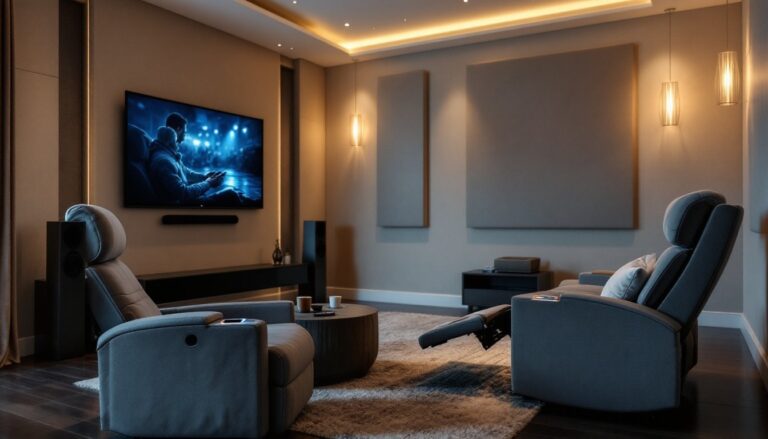
Power recliners are the workhorse of home theater. These chairs recline electrically, often with built-in cup holders, armrest storage, and adjustable headrests. A quality power recliner runs $600–$1,500 per seat depending on upholstery and features. Look for models with lumbar support adjustment and sufficient seat depth (usually 32–36 inches from back to front edge). Manual recliners are cheaper ($300–$700) but require someone to pull a handle or lever to recline, fine if you’re the only user, annoying if you have guests.
When evaluating recliners, test the recline mechanism. Some models lock too upright for true lounging: others recline so far you’re staring at the ceiling. You want that “sweet spot” around 160–170 degrees. Check the electrical connection: does it plug into standard outlets, or does it need hardwired power? Power recliners create cleaner seating arrangements because you avoid the wall space needed for manual models to fully extend.
Common recliner fabrics include microfiber (durable, hides stains, gets warm), leather or faux leather (wipes clean, cooler to sit on, can feel cheap if low-grade), and performance fabric (stain-resistant, breathable, premium pricing). Avoid standard velvet or suede for theater seating, they trap popcorn dust and show every fingerprint.
Fixed Seating and Stadium Chairs
Fixed seating doesn’t recline but offers clean aesthetics and maximum space efficiency. Theater-grade fixed seats are bolted in place and often feature stadium-style elevated rows, so back seats can see over front rows. These are common in dedicated home theaters where you’re willing to sacrifice recline function for sightline optimization and a cinema look.
Stadium seating typically costs $400–$900 per seat but doesn’t require electrical rough-in during construction. The trade-off is you lose comfort adjustability and the lounging experience. Fixed seating makes sense if you have limited square footage and want maximum capacity, or if aesthetics demand a sleek, cinema-style appearance. They’re also easier to install in retrofit situations because you don’t need to run power to multiple seats.
Sizing and Layout Considerations
Room dimensions and viewer count dictate what actually fits and functions. Don’t just assume your couch arrangement will work for theater seating, it usually won’t.
Start with a basic measurement: a standard power recliner footprint is roughly 40 inches wide, 32–36 inches deep when closed, and 50+ inches when fully reclined. In a 12×14-foot room, you can fit two recliners side-by-side in the front row with about 18 inches of clearance between them for armrests and movement. A typical living room sofa footprint is 84–96 inches, meaning it’ll eat up more floor space while actually seating fewer people comfortably in a theater context.
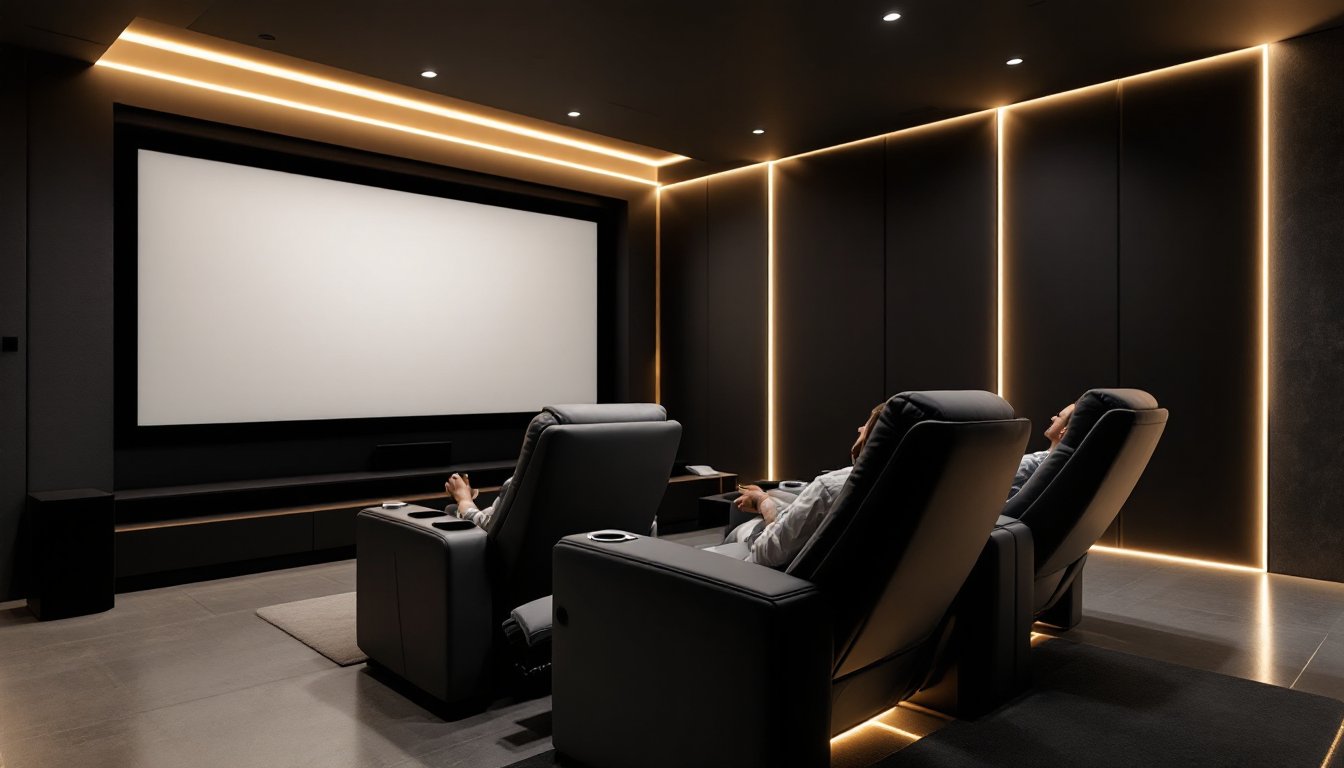
Think about sightlines. Your second row needs elevation, typically 8–12 inches higher than the front row, so people in back aren’t watching the screen over someone’s head. This doesn’t require stadium-style bleachers: it can be as simple as a platform, risers, or seating with higher-set bases. Measure the viewing distance from your seating position to the screen. For a 100-inch projector screen, you want viewers sitting roughly 12–15 feet away for proper image detail without neck strain.
Plan electrical needs early. Power recliners need outlets or a nearby junction box. Running power to wall-mounted recliners is messier than centering them in the room. If you’re finishing a basement or attic for a theater, rough-in outlets and conduit during framing, not after drywall. Floor plan with a tape measure: tape out your proposed seating arrangement on the actual floor before buying anything. Walk the space. Simulate sitting. You’ll catch problems that dimensions alone won’t reveal.
Budget-Friendly vs. Premium Seating Choices
You don’t need to spend $3,000 per seat, and you shouldn’t cheap out to $200 either. Real value lives in the middle.
Budget-conscious setups ($400–$700 per seat) work fine if you’re willing to sacrifice some features. Brands like Ashley, Coaster, and Homelegance offer solid power recliners without the bells and whistles. A basic model might lack power headrests or storage under the seat, but you get durability and comfort for moderate viewing. Faux leather is standard at this price point and genuinely wears well for a theater environment. This range makes sense if you’re on a tight budget or setting up a guest room theater where heavy daily use isn’t expected.
Mid-range theater seating ($800–$1,500 per seat) adds smart features: better lumbar support, power adjustments for multiple sections, dual-motor recliners that move back and footrest independently, and upgraded fabrics. Expert-tested recommendations for the best home theater seats often land in this range because the value-to-feature ratio is strongest here. You get genuine comfort engineering without premium pricing.
Premium options ($1,500–$3,500+ per seat) deliver leather, integrated speakers, heating, massage functions, USB charging, and commercial-grade longevity. These make sense if this is a permanent installation you’ll use daily, or if you want showroom-quality appearance. Consider top home theater seating options in this category if theatrical features matter to your experience.
When comparing costs, factor in longevity. A $500 recliner that feels broken after five years is worse than a $1,000 model that lasts twelve years. Check warranty coverage: does it cover the electrical mechanism (the part that fails most)? Is there a comfort guarantee? Some retailers offer 30-day returns if you hate the feel.
Conclusion
Home theater seating is where comfort and functionality intersect, and it shouldn’t be your last decision. Measure your room, determine your viewing capacity and electrical needs, and test options in person before buying. The difference between a mediocre theater and one you actually use is usually sitting in the right chair. Start with a honest budget, skip the gimmicks, and prioritize support and durability, your neck will thank you during the third hour of that director’s cut.