Your kitchen cabinets take a beating. Cooking oil, splatters, fingerprints, and dust accumulate faster than you’d like, especially on the doors and handles you touch every day. The right cleaner doesn’t just remove grime: it protects your cabinet finish from damage and keeps wood or laminate looking fresh. Whether you’re dealing with built-up grease from years of cooking or routine fingerprints, the best cleaner for kitchen cabinets depends on your cabinet material, finish type, and how much elbow grease you’re willing to put in. This guide walks you through the options available in 2026 and shows you how to pick the right product for the job.
Table of Contents
ToggleKey Takeaways
- The best cleaner for kitchen cabinets depends on your cabinet material—oil-based cleaners work for stained wood, all-purpose sprays suit painted finishes, and natural options protect laminate from moisture damage.
- Oil-based products dissolve heavy grease and nourish wood but should be used monthly at most, while all-purpose cleaners work for daily maintenance on most cabinet types when diluted properly.
- Natural alternatives like vinegar-water solutions and baking soda paste are effective for light to moderate cleaning without harsh chemicals, though heavy grease may require conventional cleaners.
- Always test any new cleaner on a hidden cabinet area first, spray cleaner onto your cloth rather than directly on cabinets to avoid oversaturation, and wipe dry immediately to prevent wood swelling.
- Weekly maintenance with a damp microfiber cloth and immediate grease removal after cooking prevent 80% of future cleaning work and significantly extend your cabinet’s protective finish.
- Different cabinet finishes require specific care: lacquered cabinets need diluted all-purpose cleaners, laminate cabinets cannot tolerate prolonged moisture, and wood cabinets thrive in 30–50% humidity levels.
Why Cabinet Cleanliness Matters More Than You Think
Dirty cabinets aren’t just an eyesore, grime buildup can damage your investment over time. Cooking grease, especially when combined with heat and humidity, breaks down protective finishes and wood sealers. Fingerprints left too long can etch into lacquer or stain wood permanently. Regular cleaning prevents these problems, extends cabinet life, and keeps them looking like they did the day you had them installed.
The key is using the right product for your cabinet type. Harsh cleaners strip away protective finishes, while gentle products might not cut through heavy grease. Understanding what lives on your cabinets, and what cabinet material you’re working with, makes all the difference. Most kitchen cabinet failures come from neglect or using the wrong cleaner, not from the cabinets themselves.
Oil-Based Cleaners For Deep Cleaning
When grease has baked on for months, oil-based cleaners are your heavy hitters. Products containing mineral oil or furniture polish dissolve stubborn grease and leave a protective, glossy finish. Murphy’s Oil Soap and similar wood-oil formulas work well on stained wood cabinets because the oil nourishes the wood while cutting through buildup.
Before using an oil-based cleaner, test it in a hidden corner, inside a cabinet door or the bottom edge. Some oil products can leave cabinets slippery or attract dust, which isn’t ideal for a high-touch cooking environment. Apply oil-based cleaners sparingly with a soft cloth, working in circular motions. Buff with a dry microfiber cloth to avoid streaking. Use these cleaners monthly at most: weekly use risks buildup. For painted or laminate cabinets, skip oil products entirely, they don’t adhere well and can create a dull haze. Step-by-step instructions for cleaning greasy kitchen cabinets provide additional techniques for tackling stubborn residue.
All-Purpose Cleaners For Daily Maintenance
For everyday fingerprints and light dust, a good all-purpose cleaner does the job without overkill. Most all-purpose spray cleaners, diluted versions of degreaser, work on most cabinet finishes when used correctly. The advantage: they’re fast, affordable, and you likely have one under your sink already.
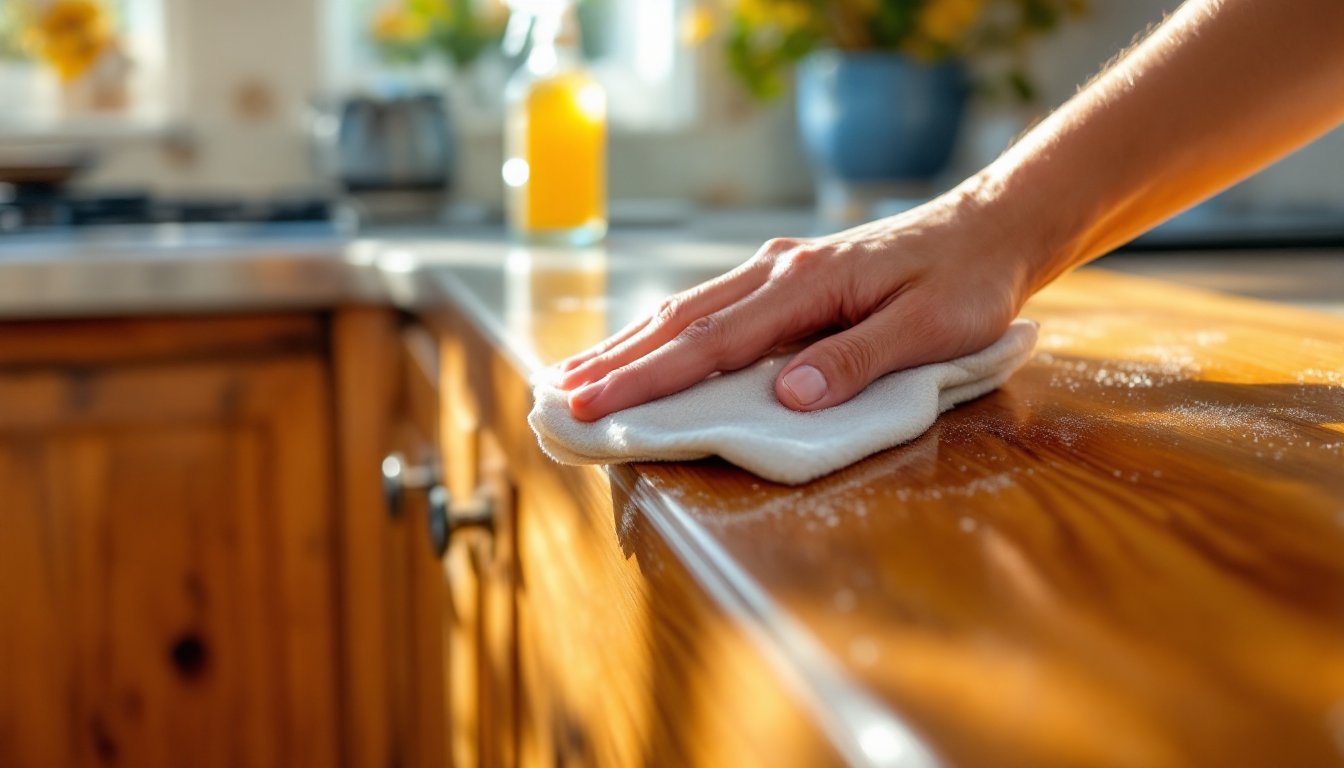
Dilute concentrate-based cleaners with water (follow label ratios: usually 1:1 or stronger if you’re facing heavy grime). Spray the cleaner on your cloth, not directly on the cabinet, to avoid oversaturation. Wipe with the grain on wood cabinets, then dry immediately with a clean cloth. Never let liquid sit on cabinet wood, it swells the grain and can cause warping. All-purpose cleaners work on painted and laminate cabinets too, but avoid anything with bleach or harsh acids (like vinegar in high concentrations) on lacquered finishes. These can etch or dull the protective coat. For painted cabinets, gentler formulas work best to preserve the paint’s integrity over time.
Natural And Eco-Friendly Options
If you prefer to avoid chemical cleaners, natural alternatives work surprisingly well, though they require a bit more patience. A simple mixture of equal parts white vinegar and water cuts through light grease and leaves cabinets streak-free. The vinegar smell fades quickly. Apply with a soft cloth, wipe dry, and you’re done.
For tougher jobs, make a paste of baking soda and a few drops of water. Let it sit for 10–15 minutes on greasy spots, then scrub gently with a soft brush or cloth. Baking soda is mildly abrasive but won’t scratch most cabinet finishes if you use a light hand. Castile soap (like Dr. Bronner’s) diluted in water works as a gentle, biodegradable all-purpose cleaner. It’s great for painted or laminate cabinets and won’t leave residue. Avoid straight lemon juice on wood: the acid can bleach or lighten the stain over time. Natural options work best for light to moderate cleaning: heavy grease may require a conventional cleaner. Home organization and cleaning tips offer additional strategies for maintaining kitchen cleanliness without harsh chemicals.
How To Choose The Right Cleaner For Your Cabinet Material
Your cabinet material is the deciding factor. Stained or natural wood cabinets tolerate oil-based cleaners and gentle all-purpose sprays. Avoid anything acidic or bleach-based. Test any new product on the underside of a door first.
Painted cabinets need gentler treatment. Use only all-purpose cleaners or natural options: oil-based products can dull paint over time. Lacquered cabinets (a common factory finish) are durable but sensitive to harsh chemicals and excess moisture. Stick to diluted all-purpose cleaners or natural vinegar solutions: never use abrasive scrubbers.
Laminate and veneer cabinets are less forgiving than solid wood. They can’t tolerate prolonged moisture, which causes swelling and peeling. All-purpose cleaners work well, but apply spray to your cloth, never directly to the cabinet. Oil-based products can trap dust, making them poor choices for laminate. Kitchen design ideas and maintenance guidance includes insights on preserving different cabinet finishes. When in doubt, contact your cabinet manufacturer, many provide cleaning recommendations specific to their finish.
Read the label on any cleaner. If it warns against use on wood or lacquer, that’s a red flag for cabinets. Conversely, products labeled “safe for wood” or “won’t strip finishes” are typically your safest bet.
Pro Tips For Maintaining Your Cabinets Between Deep Cleans
Prevention beats cleanup every time. Wipe cabinet fronts weekly with a barely damp microfiber cloth to catch dust before it settles. This five-minute habit eliminates 80% of your future cleaning work.
Keep a clean, dry cloth near the stove to wipe splatters immediately after cooking. Grease that dries quickly is far easier to remove than baked-on buildup. Avoid abrasive scrubbers, they scratch finishes. Soft cloths, cotton rags, and microfiber are your friends.
Don’t store greasy items (like cooking oil bottles) on open shelves without caps. Dust mops and exhaust fans help too: keeping steam and grease particles out of the air means less buildup on cabinets. Hardware (handles, knobs, hinges) gets the most contact and grime, so clean these weekly with the same care as the cabinet face. Finally, maintain consistent humidity in your kitchen, wood cabinets thrive between 30% and 50% relative humidity. Excess moisture leads to swelling and finish breakdown: dry air can cause cracks. A small humidifier or dehumidifier keeps conditions stable year-round.
Conclusion
The best cleaner for your kitchen cabinets isn’t one-size-fits-all, it depends on your cabinet material, finish, and how much grease you’re battling. Oil-based cleaners shine on wood, all-purpose sprays work for everyday tasks, and natural options suit eco-conscious owners. Test before committing, always wipe dry, and don’t oversaturate wood. Weekly maintenance with a damp cloth and immediate grease removal cut down the need for heavy cleaning. Your cabinets will stay beautiful and protected for years with the right product and consistent care.