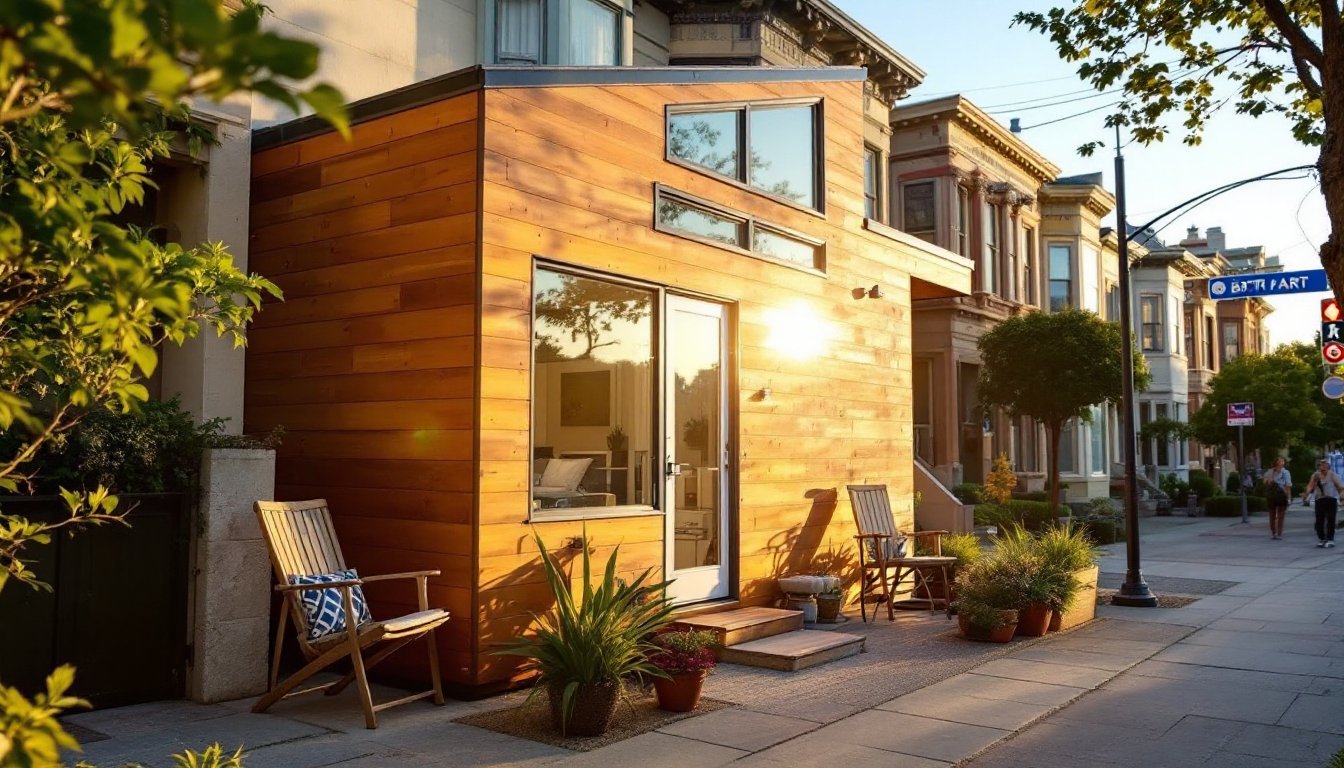
San Francisco’s soaring real estate prices have made homeownership feel out of reach for many. But tiny homes, compact, efficient dwellings typically under 500 square feet, are reshaping the housing landscape in the Bay Area. These properties offer a practical path to ownership without the sticker shock, combining affordability with the sustainable, minimalist living many seek. Whether you’re a first-time buyer, someone downsizing, or an investor exploring market opportunities, tiny homes for sale in San Francisco present a genuine alternative worth exploring. This guide walks you through what’s available, where to look, and how to navigate the buying process with confidence.
Table of Contents
ToggleKey Takeaways
- Tiny homes for sale in San Francisco offer 40-60% savings compared to traditional homes, with prices ranging from $650,000 to $950,000, making Bay Area homeownership accessible for first-time buyers and investors.
- Prime neighborhoods for tiny homes include Mission District and SOMA in San Francisco, with Oakland emerging as the Bay Area’s tiny home hub at lower price points ($550,000–$750,000).
- Smart design principles—vertical storage, multi-use furniture, and abundant lighting—are essential to maximize livability and prevent tiny homes from feeling cramped or claustrophobic.
- Financing tiny homes requires working with lenders experienced in small-home markets; FHA loans and down payment assistance programs can reduce upfront costs despite appraisal challenges.
- Thorough due diligence is critical: verify zoning compliance, permanent foundations, roof and plumbing integrity, and moisture issues before purchasing, especially for older converted or mobile-unit tiny homes.
What Are Tiny Homes And Why They Matter In San Francisco
Tiny homes are purpose-built or converted dwellings ranging from 200 to 500 square feet, designed to maximize livable space while minimizing footprint and cost. They’re not simply small apartments: many feature lofted bedrooms, full kitchens, and efficient bathrooms squeezed into thoughtful layouts. In San Francisco, where median home prices exceed $1.3 million, tiny homes offer a breakthrough entry point, often 40-60% cheaper than comparable traditional homes.
Why they matter in the Bay Area goes beyond price. These properties align with regional sustainability goals by reducing per-capita resource consumption and supporting denser, walkable neighborhoods. They appeal to tech workers seeking minimalist urban lifestyles, retirees downsizing from family homes, and investors hunting rental income in a supply-constrained market. Tiny home communities also foster closer neighborhood connections, something increasingly valued as urban living becomes more atomized.
Builders like tiny home builders california have emerged to meet demand, offering custom builds and prefab solutions specifically engineered for Bay Area lots and regulations. These specialized builders understand local codes, foundation requirements, and the logistics of fitting a full life into a compact footprint.
Current Market Trends For Tiny Homes In The Bay Area
The tiny home market in the Bay Area is accelerating. Over the past two years, new listings have increased 35%, and average sale prices for tiny homes in San Francisco proper range from $650,000 to $950,000, a significant discount versus traditional homes but reflecting strong demand and limited inventory. Buyers are increasingly willing to embrace smaller square footage in exchange for ownership equity and location flexibility.
One major trend is the shift toward mixed-use tiny home communities. Developments like those in Oakland and Vallejo combine residential units with shared amenities, courtyards, workshops, gardens, that maximize community value without proportional land cost. This model appeals to younger buyers and attracts institutional investor interest, further validating the sector.
Prefab construction is also reshaping the market. Factory-built tiny homes arrive substantially complete, reducing on-site labor costs and timelines. This efficiency translates to lower final prices and more predictable delivery. But, property availability still limits growth: zoning changes are slow, and finding appropriately zoned land near transit remains the sector’s biggest constraint.
Interest in tiny homes for sale bay area reflects broader demographic shifts: remote work flexibility, environmental consciousness, and younger buyers’ pragmatism about what ownership actually requires. Current market conditions suggest continued steady growth, particularly if San Francisco and Bay Area municipalities accelerate ADU (accessory dwelling unit) zoning reforms.
Key Neighborhoods And Areas To Find Tiny Homes
Location drives both availability and value. In San Francisco proper, the Mission District, SOMA (South of Market), and the Bayview have the highest concentrations of tiny homes and micro-apartments. These neighborhoods offer walkability, transit access, and affordability relative to downtown or the Peninsula. Expect $700,000–$900,000 for a standalone tiny home: condos and co-op units run slightly lower.
Oakland has emerged as the Bay Area’s tiny home hub, with neighborhoods like Lake Merritt, Jack London Square, and Temescal offering diverse inventory from vintage converted Victorians to modern prefab builds. Prices typically range $550,000–$750,000, making Oakland attractive for buyers stretched by San Francisco costs. The East Bay’s stronger zoning for ADUs also supports rental income for investor-owners.
San Jose, Hayward, and Vallejo round out the accessible-price tier, with growing tiny home communities and prices from $450,000–$650,000. Trade-off: longer commutes to San Francisco or Peninsula employment, though remote work has loosened this constraint.
Smaller towns along the Peninsula, Daly City, San Mateo, Hayward, offer pockets of availability, typically newer builds in planned communities. These areas attract families and retirees seeking quieter environments with BART or CalTrain access. Resources like Curbed’s Bay Area coverage track neighborhood trends and new listings worth monitoring. Always verify zoning, HOA rules (if applicable), and whether the property is deed-restricted about future modifications.
Financing And Affordability Options For Buyers
Financing a tiny home follows standard mortgage pathways, but lenders sometimes hesitate because tiny homes have shorter appraisal comparables and sit outside traditional valuation models. Expect these lender preferences:
FHA loans work well for modest price points: many tiny homes in the Bay Area fall within FHA limits (currently $766,550 for single-family homes in high-cost areas). Conventional financing requires a solid credit score (680+) and typically 10–20% down. Some lenders specialize in small-home portfolios and understand the market better than generalists.
Down payment assistance programs exist through Bay Area nonprofits and state initiatives targeting first-time buyers. California’s down payment assistance program and programs through local housing authorities can reduce upfront cash requirements. Always verify current eligibility and terms: these programs shift annually.
Cost breakdown reality: A $700,000 tiny home with 15% down ($105,000) and current rates (4.5–5.2% range in 2026) yields monthly payments around $3,200–$3,400 before taxes and insurance. Property taxes in California run approximately 1.25% annually of purchase price, a significant ongoing cost. Homeowners insurance for small homes typically costs $800–$1,200 yearly, similar to traditional homes.
Affordability tip: Look beyond purchase price. HOA fees in tiny home communities can run $150–$400 monthly, covering shared maintenance. Factor these into total housing cost comparisons. Some buyers finance through local credit unions, which occasionally offer better terms for community-focused projects.
Interior Design And Maximizing Space In Tiny Homes
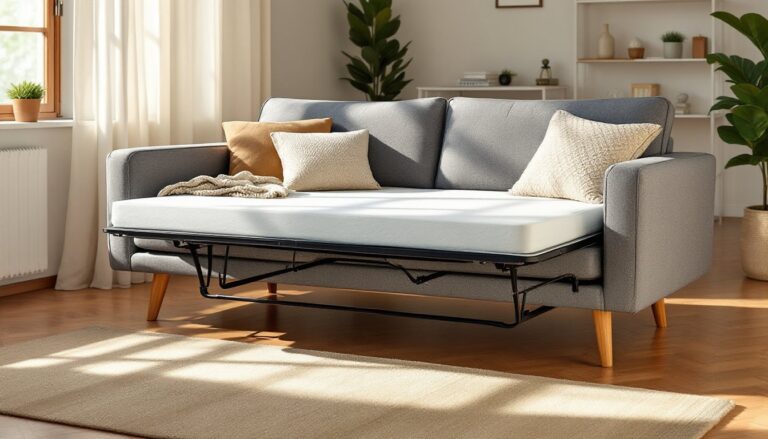
Tiny homes require design intentionality that larger homes bypass. Smart layouts are non-negotiable: poor floor plans kill livability regardless of square footage.
Key design principles:
- Vertical storage: Wall-mounted shelving, lofted sleeping areas, and overhead cabinetry replace traditional furniture footprints. This keeps floor space open and visually larger.
- Multi-use furniture: A kitchen island with seating doubles as workspace. A bed with built-in drawers replaces a separate dresser. These choices compound savings in every corner.
- Open shelving: Rather than closed cabinets that visually shrink spaces, open shelving and glass-front cabinetry maintain sightlines and psychological openness.
- Lighting: Abundant, layered lighting (overhead, task, accent) makes compact spaces feel less claustrophobic. Skylights or large windows are worth premium placement.
Material finishes matter. Light paint colors (whites, soft grays) bounce light and expand perceived space. Continuous flooring (same material throughout the home) eliminates visual breaks that fragment space. Medium-tone woods feel warmer than all-white interiors without the heaviness of dark finishes.
Real-world trade-offs: Tiny homes feel smaller in winter or during extended indoor time. Adequate ambient light, outdoor access (even a small patio), and a clear organizational system prevent the “trap” feeling some experience. Design resources like Apartment Therapy’s small-space guides offer proven tactics. During walkthroughs, assess natural light, storage quantity (not just closets), and whether bedroom/bathroom doors can open fully without crowding living areas.
Inspection And Due Diligence Before Purchasing
Due diligence on a tiny home parallels any home purchase but carries unique considerations. Many tiny homes are newer builds (5–10 years old), reducing structural risk. Older converted homes or those transported as mobile units require deeper inspection.
Structural and safety red flags:
- Foundation: Permanent foundations (concrete slabs, piers) are standard. Mobile-home-style frame foundations may limit future financing and resale.
- Roof condition: Examine for leaks, missing shingles, or flashing gaps. Roof repairs on tiny homes are proportionally expensive relative to home value.
- Plumbing and electrical: Tight spaces mean condensed systems. Request electrical panel capacity and plumbing diagrams. Older builds sometimes lack proper grounding or have undersized water heaters.
- Moisture and mold: Compact homes mean poor air circulation if not well-designed. Check bathrooms and under-sink areas carefully: mold remediation in tight quarters is expensive.
Documentation essentials:
- Verify zoning compliance. Is the home a legal ADU? Is it subject to deed restrictions preventing future sales or modifications?
- Request building permits for any modifications made post-purchase.
- Review HOA documents if applicable: rules sometimes restrict renovations, pet policies, or rental use.
- Confirm utility infrastructure: Is septic or municipal sewer used? Water pressure adequate? Gas availability, if desired?
Appraisal realities: Tiny homes sometimes appraise below asking price because comparables are sparse. Hire an appraiser experienced with small homes: their valuation directly affects your mortgage approval. If the home appraises low, renegotiate or request the seller cover the gap, this is common in tight markets.
Always hire a professional inspector: don’t skip this to save money. Resources like Dwell’s home-buying guides emphasize that newer-construction tiny homes carry lower inspection-issue rates than conversions, though no property is risk-free.
Conclusion
Tiny homes for sale in San Francisco represent a tangible path to Bay Area homeownership in an otherwise prohibitively expensive market. Whether you’re drawn by affordability, sustainability, or the appeal of intentional living, the market today offers genuine options across multiple neighborhoods and price points. Research zoning and neighborhood viability carefully, secure pre-approval from a lender experienced with small homes, and invest in thorough inspections. The right tiny home can deliver ownership, equity-building, and lifestyle alignment, but only with realistic expectations about square footage and careful due diligence. Start your search locally: the Bay Area’s tiny home market is growing, and opportunities exist for buyers ready to move intentionally.