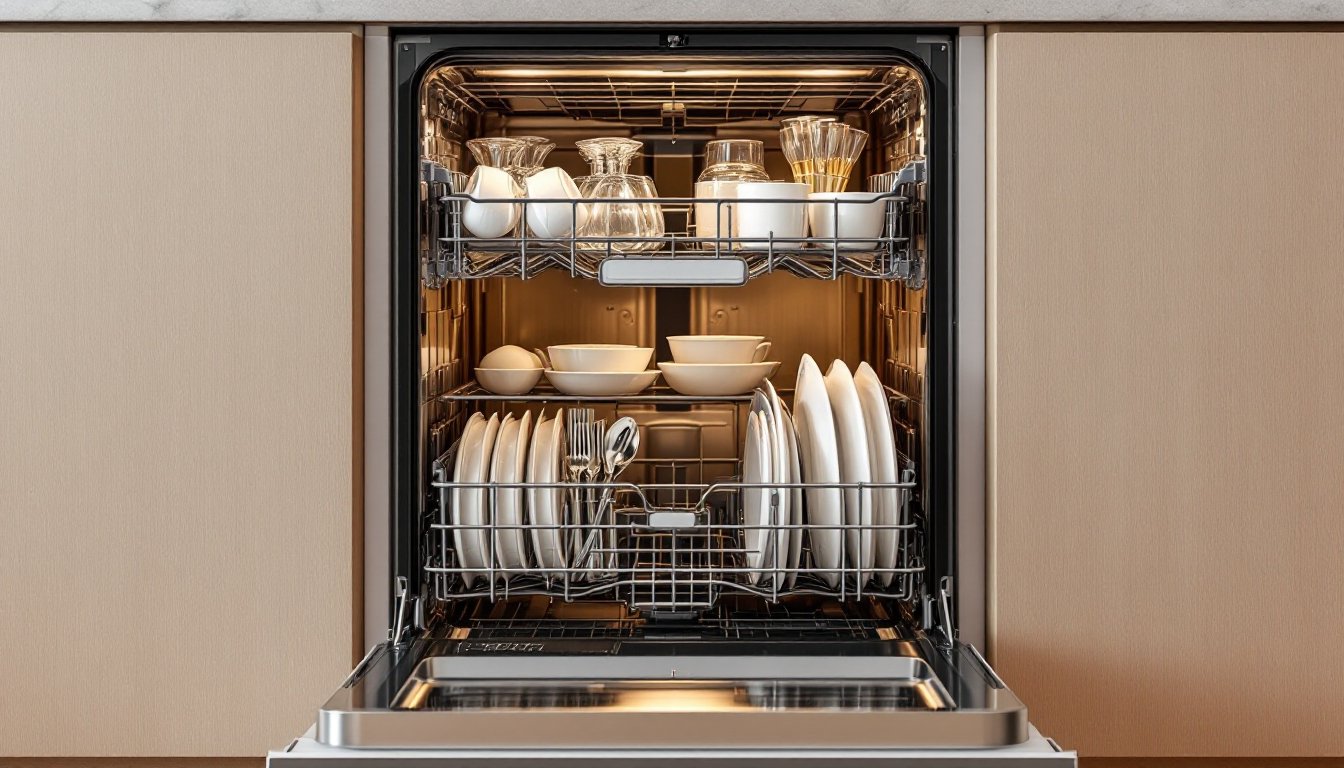
Kitchen space is premium real estate, especially in modern homes where every inch counts. A standard two-rack dishwasher has been the norm for decades, but homeowners are discovering that a three-rack model fundamentally changes how they approach dishwashing and kitchen organization. The third rack, typically positioned between the traditional upper and lower baskets, adds surprising flexibility and capacity without requiring a larger footprint. For those juggling family meals, entertaining, or simply tired of running the dishwasher twice a day, understanding what a three-rack dishwasher offers could be the breakthrough your kitchen workflow needs.
Table of Contents
ToggleKey Takeaways
- A 3 rack dishwasher holds 15–20% more items per load than standard two-rack models, reducing the number of weekly cycles and saving water, energy, and time.
- The middle rack features adjustable or removable tines that adapt to different dishware, from small plates to baking sheets, eliminating the need to compromise on what fits.
- Well-engineered 3 rack dishwasher designs include three-level spray coverage to ensure superior cleaning performance across all racks without overcrowding issues.
- Three-rack models fit standard 24-inch cabinet openings, offering increased capacity without requiring kitchen renovations or substantial height additions.
- Look for models with adjustable tines, noise ratings under 45 decibels, soil sensors, and at least three years of parts warranty to ensure reliable long-term performance.
What Is a 3 Rack Dishwasher and Why It Matters
A three-rack dishwasher is essentially a standard dishwasher with an additional removable or fixed basket inserted between the upper and lower racks. This middle rack is engineered to accommodate flatware, smaller bowls, side plates, and cooking utensils that don’t fit well in traditional silverware baskets. The upper rack remains dedicated to glasses, mugs, and delicate items, while the lower rack handles larger plates and pots.
The reason this matters comes down to real-world efficiency. Traditional two-rack machines force you to strategically arrange items or leave things unwashed until the next load. A third rack eliminates that compromise. You’re not adding substantial height to the machine, most three-rack models fit standard 24-inch cabinet openings, so you’re gaining capacity without a renovation. For households with kids, frequent entertaining, or anyone who cooks multiple meals daily, that extra capacity translates to fewer loads per week and less time spent unloading and reloading.
Built-in three-rack dishwashers have become increasingly common in the past few years, moving from premium-only territory into mid-range and even budget-conscious product lines. Brands now recognize this feature as a practical selling point rather than a luxury add-on, which means you have more options at various price points than ever before.
Key Advantages of Three-Rack Models
Increased Storage and Flexibility
The most obvious benefit is sheer capacity. A three-rack dishwasher holds approximately 15–20% more items per load compared to a standard two-rack model. That translates to fewer cycles running per week, which saves water, energy, and your time. The middle rack is typically designed with flexible or removable tines (the plastic prongs that hold dishes upright), allowing you to customize it for your needs on any given day.
Flexibility matters in practice. One night you might load it with small plates and bowls: the next morning, you rearrange it to handle a baking sheet and tall glasses. This adaptability makes the machine work harder for you instead of the other way around. For families with varied dishware, mixing everyday ceramics with specialty pieces, that customization is genuinely useful. The third rack also keeps utensils from getting buried under heavy items, which improves cleaning and reduces the chance of things shifting and blocking the spray arms during the cycle.
Enhanced Washing Performance
Water and detergent distribution isn’t an afterthought in modern three-rack designs. Manufacturers engineer spray arms and jet positions to ensure all three levels get adequate coverage. In well-designed models, the middle rack receives just as much attention from spray jets as the traditional racks. This means your silverware, small plates, and bowls come out as clean as anything on the upper or lower racks.
Better separation of items also improves individual wash quality. When you’re not cramming everything into two racks, water circulates more freely around each piece. Grease and food particles wash away more effectively because detergent-laden water isn’t having to navigate around a densely packed basket. This is especially noticeable with pots and pans on the lower rack, when it’s not overloaded, those larger items get a more thorough spray coverage. Recent product testing from Good Housekeeping confirms that three-rack models, when properly loaded, achieve similar or better drying results compared to traditional two-rack machines.
Top Features to Look For When Buying
When shopping for a three-rack dishwasher, capacity is just the starting point. Look for models with adjustable or removable middle-rack tines. Fixed tines offer less flexibility: if you need to wash a large platter, you’re stuck. Removable or fold-down tines let you adapt the rack to whatever you’re washing that day. Some manufacturers offer half-removable designs, where one side folds or lifts while the other stays fixed, a solid compromise if you want security but occasional flexibility.
Noise level matters more than many buyers realize. Dishwashers run in your kitchen: you’ll hear them. Look for models rated under 45 decibels if quiet operation is important to you. Three-rack models sometimes use more circulation to cover all three levels, which can increase sound, so check the decibel rating rather than assuming it’s the same as a two-rack version from the same brand.
Spray coverage is critical. Some manufacturers highlight spray arms specifically designed for three-tier coverage. If the product description or manual doesn’t mention three-level spray engineering, ask the retailer or check online reviews focusing on wash quality. That effort upfront prevents disappointing results after installation.
Soil sensor or adjustable cycle intelligence is valuable, especially if you’re running full loads. These sensors adjust water temperature and cycle length based on how dirty the dishes are, saving water and energy on lighter loads. On three-rack models that can hold significantly more, that efficiency payoff compounds across the week.
Consider warranty coverage. Three-rack designs introduce one more moving part and spray nozzle in the mix. A manufacturer that stands behind the product with a solid warranty (at least three years on parts, ideally longer on the drum and spray system) shows confidence in reliability. Kitchen design resources like The Kitchn and HGTV frequently review appliance reliability and long-term satisfaction scores, which are worth consulting when narrowing your choices.
Conclusion
A three-rack dishwasher isn’t a gimmick, it’s a practical upgrade that solves a real problem in busy kitchens. More capacity, flexible storage, and better washing performance add up to genuine time savings and reduced resource consumption. If your household runs the dishwasher multiple times a week or you’re planning a kitchen renovation, a three-rack model is worth the modest premium over a standard two-rack machine. Take time to compare spray coverage, tine flexibility, and long-term reviews before buying, and you’ll find a workhorse that fits your kitchen and your life.